
I’ve spent years on the manufacturing side of hotel supplies, packing these products into shipping containers and watching which ones earn repeat orders. Here’s what I’ve learned: the difference between a property guests rave about and one they forget usually comes down to the small stuff. The towels. The Wi-Fi. The way a bed feels at 11 p.m. after a long flight.
Nobody writes a glowing review about a perfect HVAC system. But they’ll mention scratchy sheets, weak shower pressure, or a charging port that doesn’t fit their phone — every single time.
The essential hotel supplies for 2026 fall into six categories: guest room comfort (durable bedding, modern charging, blackout curtains), dining and kitchen tools, cleaning and maintenance equipment, safety and security items, technology infrastructure, and front office essentials. The properties that win on guest reviews invest in durability and guest-facing quality first, then optimize cost everywhere guests won’t notice.
This guide walks through each category the way a sourcing checklist should — what’s worth the upgrade, where you can save, and how to keep your inventory running smoothly. Let’s get into it.
Modernizing the Guest Room Experience
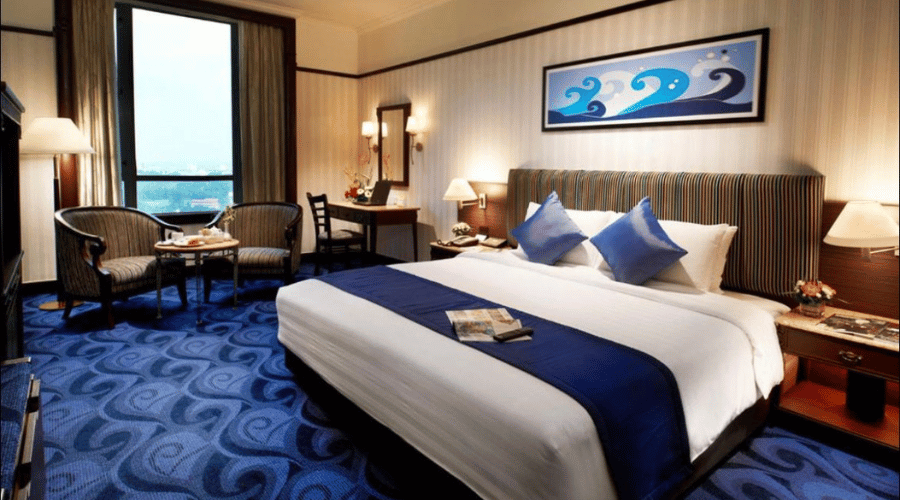
The guest room is where your buying decisions show up fastest. A guest spends most of their stay here, so this is where quality earns its keep.
Start with bedding. Choose sheets with a thread count that survives frequent industrial laundering — usually 300 to 400 thread count, single-ply, long-staple cotton. Cheap high-count sheets pill and thin out after a few dozen washes. Good ones get softer.
Stock hypoallergenic pillows and mattress protectors. A growing share of travelers has sensitivities, and these small additions head off complaints while protecting your mattress investment.
Charging and Lighting Upgrades
Install bedside charging stations with both USB-C ports and wireless pads. USB-A is on its way out. Guests now arrive with USB-C phones, tablets, and laptops, and a missing port quietly tells them the place is dated.
Add high-quality blackout curtains. Travelers crossing time zones depend on them to sleep, and a thin curtain that leaks light at 6 a.m. tanks your sleep-quality scores.
Bath and Comfort Amenities
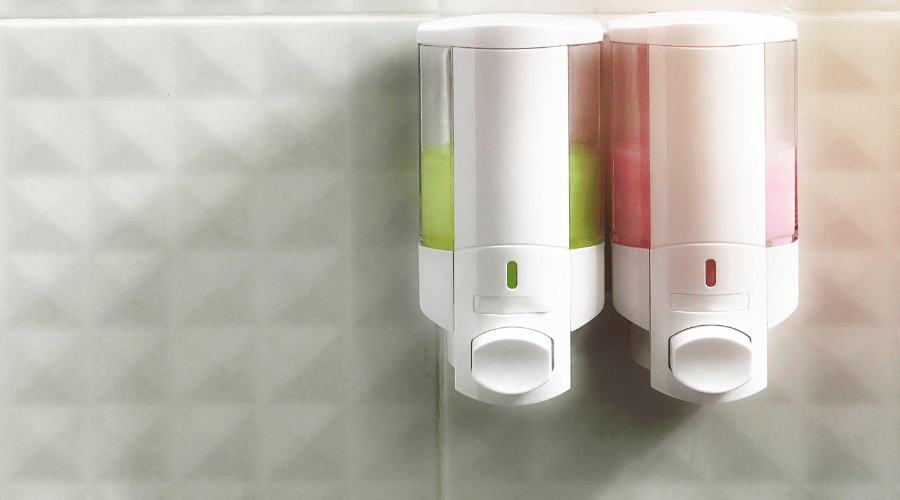
Switch to refillable wall-mounted dispensers for shampoo and soap. They cut plastic waste, lower your per-guest cost, and most major chains have already made the move. Just make sure the pumps are tamper-resistant and easy for housekeeping to refill.
For mid-scale and luxury properties, plush robes and slippers should be standard. They cost little per use but signal care in a way guests remember.
In practice: When buyers ask me where to spend first, I always say bedding and curtains. Those two items touch the guest’s actual sleep, and sleep is what drives the review. A guest forgives a dated lobby. They don’t forgive a bad night’s rest.
Dining and Kitchen Essentials for Quality Service
Food and beverage areas take a beating. The supplies here need to survive heavy daily use while keeping guests safe and comfortable.
Use shatterproof glassware for poolside and outdoor dining. Broken glass near a pool is a liability nightmare. Today’s polycarbonate options look close enough to real glass that most guests won’t notice the swap.
Supply biodegradable or reusable straws and stirrers across all bar and café operations. Single-use plastic is being banned in more regions every year, so getting ahead of it saves you from a scramble later.
Service and Storage Items
Keep a stock of nesting trays for room service and in-room breakfast setups. They stack neatly, store in tight spaces, and speed up delivery during busy mornings.
Provide in-room coffee machines that use compostable pods instead of plastic capsules. Guests want their morning coffee, and compostable pods let you serve it without the plastic guilt.
Maintain cloth napkins and table linens that resist stains and withstand repeated ironing. Linens that fade or wrinkle after one season cost more in replacements than the better grade would have cost up front.
Finally, invest in quiet-running mini-fridges. A loud compressor cycling at 2 a.m. is a common, avoidable complaint. Look for models rated for low decibel output.
Cleaning and Maintenance Supplies for High Standards
Clean rooms drive good reviews, and the right tools make cleaning faster and safer for your team.
Use color-coded microfiber towels to prevent cross-contamination between bathrooms and living areas. One color for the toilet, another for glassware — a simple system that prevents the mistakes that lead to bad reviews and health complaints.
Stock phosphate-free detergents. They clean effectively and protect local water systems, which matters more as environmental rules tighten across regions.
Equipment and Workflow Tools
Keep HEPA-filtered vacuum cleaners on hand. They remove fine dust and allergens from the air, improving indoor air quality for both guests and staff.
Give housekeeping teams ergonomic carts with organized bins. A well-laid-out cart cuts trips back to the supply closet and speeds up room turnover during checkout rushes.
Smart Stocking Habits
Store concentrated cleaning solutions instead of pre-mixed ones. They reduce packaging waste and lower your shipping costs, since you’re not paying to ship water.
Keep a backup inventory of light bulbs, batteries, and small hardware. A burnt-out bulb or dead remote battery is a five-minute fix — if you have the part on hand. If you don’t, it becomes a guest complaint.
In practice: The color-coded towel system sounds basic, but it’s the single cheapest upgrade I see properties skip. A set of colored microfiber cloths costs almost nothing and prevents the exact cross-contamination that shows up in a one-star review about a “dirty bathroom.”
Safety and Security Items for Every Property
Safety supplies protect your guests and shield your property from liability. These aren’t areas to cut corners.
Install electronic door locks that support digital keys on guest phones. Mobile keys speed up check-in and reduce the cost and waste associated with lost plastic cards.
Place fire extinguishers in visible, accessible locations on every floor, in accordance with your local codes. This is non-negotiable, and inspectors will check.
In-Room and Bathroom Safety
Provide in-room safes large enough to hold a laptop and other electronics. The old shoebox-sized safe frustrates business travelers who can’t fit their gear.
Install anti-slip mats or coatings in showers and tubs. Bathroom falls are one of the most common — and most preventable — guest injuries.
Emergency Readiness
Keep well-stocked first aid kits at the front desk and in the kitchen. Restock them on a schedule so they’re never short when needed.
Use clear signage for emergency exits, and post a floor plan on the back of every guest room door. It’s a code requirement in most places, and it genuinely helps in an emergency.
Technology Infrastructure and Connectivity Needs
Connectivity is no longer a perk. It’s an expectation, and weak Wi-Fi is one of the fastest ways to earn a one-star review.
Upgrade to Wi-Fi 6 or 7 routers. Modern guests carry three or four devices each, and older routers choke under that density during peak evenings.
Provide smart televisions that let guests cast from their own streaming accounts. People want their own shows, not a clunky hotel menu from a decade ago.
Smart Room and Staff Tools
Use digital tablets for in-room guest directories. Updates become instant and paperless, and you stop reprinting binders every time a restaurant changes its hours.
Install occupancy sensors for lighting and climate control. They cut energy waste in empty rooms and pay for themselves over time.
Support front desk staff with handheld tablets for mobile check-in. During busy arrival windows, mobile check-in clears lobby lines and starts the stay on a positive note.
In practice: If I had to rank tech spending by return, Wi-Fi comes first, every time. You can have beautiful rooms and a great restaurant, but a guest who can’t join a video call will still leave an angry review. Treat your network as core infrastructure, not an amenity.
Front Office and Lobby Essentials
The lobby sets the first and last impression. A few thoughtful supplies make it run smoother.
Keep a variety of luggage tags and storage labels for guests who arrive before check-in. Early arrivals are common, and organized bag storage prevents mix-ups.
Stock branded umbrellas for guests to borrow in bad weather. It’s a small touch that gets remembered — and the branding travels with them.
Guest Convenience Items
Maintain a supply of physical key cards for guests who prefer them over mobile keys. Not everyone wants the app, and older travelers especially appreciate the choice.
Provide a self-service hydration station with filtered water and reusable cups. It cuts plastic bottle waste and gives travelers an easy, welcome refill.
Store extra universal power adapters at the front desk. International guests forget them constantly, and a few to lend out solves a real headache.
Frequently Asked Questions
Which sustainable supplies help reduce operating costs over time?
Refillable bulk dispensers, concentrated cleaning solutions, and LED lighting top the list. They lower per-use costs, cut packaging and shipping expenses, and reduce waste. Occupancy sensors also trim energy bills in empty rooms.
How many sets of linens should a property keep in inventory for each room?
A common rule is three sets per bed: one on the bed, one in the laundry, and one on the shelf. This “par level” keeps rooms ready while sheets cycle through the wash without delay.
What are the most requested bathroom amenities by modern travelers?
Quality shampoo and conditioner in refillable dispensers, soft towels, and a hair dryer lead the requests. Many guests also look for lotion, a magnifying mirror, and a clean, well-lit vanity.
Why is switching to bulk dispensers better than providing small plastic bottles?
Bulk dispensers cut plastic waste sharply and cost less per guest over time. They also reduce the labor of restocking dozens of tiny bottles. Most major chains have already adopted them, so guests now expect them.
What safety equipment is required for hotel pools and fitness centers?
Pools typically need life rings, a reaching pole, clear depth markings, and posted safety rules. Fitness centers should have a first aid kit, an AED where required, and emergency contact signage. Always confirm against your local codes.
How often should a property replace its stock of towels and bedding?
Towels usually last one to three years and bedding two to three years under commercial laundering, depending on quality and wash frequency. Replace items once they thin, fray, or stain permanently. Tracking wash cycles helps you plan ahead before guests notice wear.
Reliable Procurement Strategies
Good supply management takes more than buying the right items. You need a consistent schedule for auditing inventory so you never run out of basics like toilet paper or light bulbs.
Work with vendors who offer transparent shipping timelines and sustainable packaging. And because guest expectations shift fast, review your amenity list every six months to confirm it still matches your typical visitor.
Small improvements add up. A better soap or faster Wi-Fi moves guest reviews more than you’d expect. Focus on durable, easy-to-clean items that handle heavy use while still feeling comfortable.
Consistent quality across every category builds trust and brings guests back. So here’s your next step: pick one category, get it right, then move to the next. Steady upgrades beat a rushed overhaul every time — and your reviews will show it.