
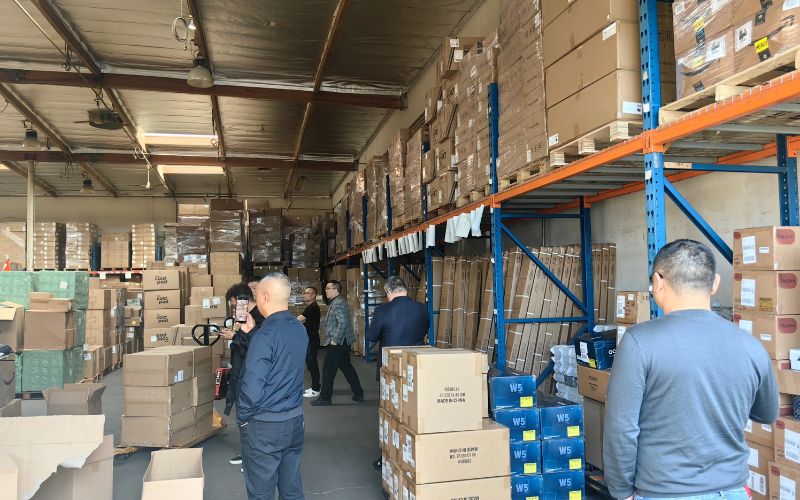
No single hotel supplier is the best choice for every property. The right supplier depends on your property type, purchasing category, order volume, and timeline. This guide breaks down 10 well-regarded U.S. hotel supply companies by category—covering distributors, manufacturers, and GPOs—so procurement managers and F&B directors can make faster, better-informed sourcing decisions.
Hotel procurement is rarely as straightforward as picking from a ranked list. A supplier that delivers outstanding results for a 300-room flagged resort is almost certainly a poor fit for a 40-room independent boutique. A vendor who excels at custom-branded amenities may have no business handling bulk linen replenishment. And the distributor with the most expansive catalog may impose minimums that tie up more working capital than your property can afford.
That fragmentation is exactly why “Top 10 hotel suppliers” lists often disappoint working buyers. They force structurally different businesses—direct manufacturers, national distributors, and Group Purchasing Organizations—into a single ranking that collapses the very distinctions that make one supplier right for your situation and another wrong for it.
This guide takes a different approach. Rather than issuing definitive verdicts, it maps well-regarded U.S. hotel supply companies to the specific categories and property types where each tends to perform most effectively. For international buyers or operators with cross-category sourcing needs that fall outside standard U.S. vendor minimums, we also explain how Wonhosp fits into the picture.
Use this as a decision-support reference, not a prescription. Always verify current pricing, lead times, minimum order quantities (MOQs), and contract terms directly with each vendor before committing.
Understanding Supplier Types Before You Shortlist
Before reviewing any specific company, it helps to understand the three supplier models operating in the U.S. hotel supply market. Comparing them without this framework leads to apples-and-oranges evaluations that waste procurement time.
- Distributors warehouse and ship physical products directly to your property. They typically offer broad catalogs, fast replenishment, and consolidated billing. Their unit prices reflect distribution margins, but they reduce the complexity of managing relationships with multiple manufacturers.
- Manufacturers and OEM/ODM suppliers produce goods directly—whether under their own brand or your specification. They usually offer lower unit costs at scale, but require higher MOQs, longer lead times, and more active project management from the buyer.
- Group Purchasing Organizations (GPOs) do not hold inventory. Instead, GPOs negotiate discounted contracts with manufacturers and distributors on behalf of member hotels and then pass those rates on to members. GPOs suit high-volume operations best; their value diminishes at lower annual spend levels.
Most hotel procurement programs benefit from a mix of all three supplier types, calibrated to category and purchase frequency.
How This Guide Was Compiled
The suppliers below were selected based on publicly available information: product breadth, hospitality specialization, national coverage, and their general suitability for specific purchasing categories. No paid placements or sponsored inclusions were made.
Critically, this guide does not present a single universal ranking. Lead times, MOQs, pricing, and account terms vary considerably by region, order size, customization requirements, and contract structure. All figures referenced here should be treated as directional estimates confirmed directly with each vendor before a commitment is made.
2026 Supplier Comparison at a Glance
|
Supplier |
Well-Suited For |
MOQ Profile |
Lead Time (Approx.) |
Customization |
Coverage |
|---|---|---|---|---|---|
|
Guest Supply |
Multi-property groups, luxury resorts |
Medium–High |
~1–2 weeks (stock) |
Moderate |
U.S. nationwide |
|
DZEE Textiles |
Independent hotels, fast linen replenishment |
Low/Flexible |
2–5 business days |
Limited |
U.S. nationwide |
|
Hunter Amenities |
Large chains, custom-branded toiletries |
High/Project-based |
8–12 weeks (custom) |
Extensive |
International |
|
Kimball Hospitality |
Luxury FF&E, complex custom projects |
High/Project-based |
12–16 weeks (custom) |
Extensive |
U.S. nationwide |
|
American Hotel Register |
Midscale, independent OS&E |
Low/Flexible |
~1–2 weeks |
Moderate |
U.S. nationwide |
|
Entegra Procurement |
Management groups, high-spend portfolios |
Varies by contract |
Varies by supplier |
Varies |
U.S. nationwide |
|
Pineapple Hospitality |
Boutique, eco-conscious lifestyle properties |
Low/Flexible |
~1–2 weeks |
Moderate |
U.S. nationwide |
|
HD Supply |
National brands, maintenance-heavy operations |
Low/Flexible |
Within ~1 week |
Limited |
U.S. nationwide |
|
WESSCO International |
Luxury lifestyle, bespoke branded programs |
High/Project-based |
Custom timeline |
Extensive |
International |
|
National Hospitality Supply |
Economy and budget segment |
Low/Flexible |
Within ~1 week |
Limited |
U.S. nationwide |
Hotel Supply Companies by Category: Who Tends to Perform Where
Large-Scale Broadline Distribution: Guest Supply
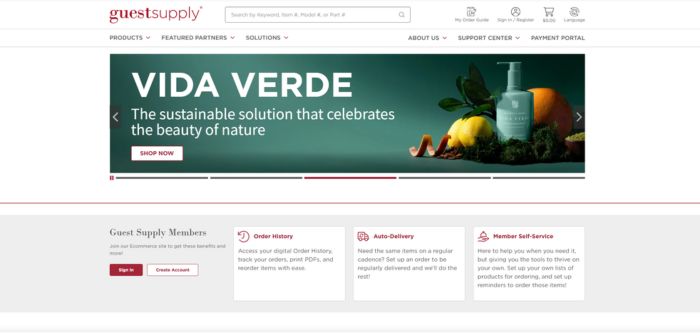
Well-suited for: Multi-property groups, luxury resort portfolios, and hotel teams seeking to consolidate purchasing under a single supplier relationship.
Guest Supply is one of the more defensible choices for operations that need breadth—across amenity categories, linen programs, and daily operating supplies—managed through a single account. The company distributes a wide range of hospitality essentials and is known for proprietary and premium amenity lines, including some sustainability-positioned products.
- Operational strengths: Category breadth, established national distribution, and the ability to manage multi-property rollouts through one supplier relationship.
- Tradeoffs to consider: Buyers at smaller properties may encounter minimum order thresholds that are difficult to meet economically, and service responsiveness can vary by region. Confirm account terms before assuming pricing parity with large-chain customers.
- Procurement takeaway: Guest Supply is a stronger fit for high-volume, complex programs than for lean independent operations. If consolidating purchasing across multiple categories is your goal, it belongs on your shortlist.
Hotel Linen and Textile Replenishment: DZEE Textiles
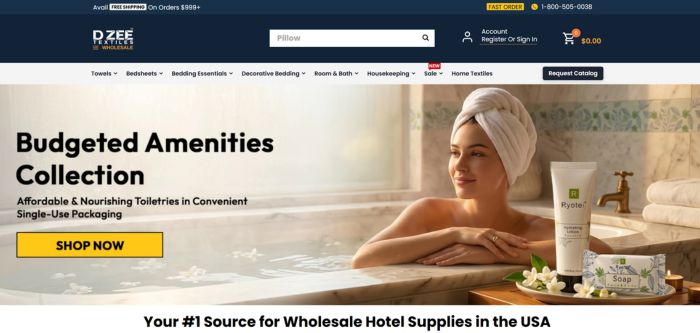
Well-suited for: Independent properties, midscale hotels, and operators who prioritize fast, reliable linen replenishment without strict volume minimums.
DZEE Textiles specializes in commercial-grade bed and bath linens. Unlike broadline distributors that treat textiles as one category among many, DZEE’s focus is narrowly on durable, laundry-resistant linens priced closer to factory direct.
- Operational strengths: Competitive per-unit pricing, reported 24-to-48-hour shipping across much of the U.S., and textiles engineered for high-cycle industrial laundering. Low minimums accommodate smaller properties.
- Trade-offs to consider: Limited custom embroidery or jacquard options make DZEE a less practical choice for ultra-luxury properties that require heavily branded textile programs.
- Procurement takeaway: For buyers prioritizing replenishment speed and price discipline over bespoke textile design, DZEE is a well-positioned option. Verify current shipping timelines and minimums directly.
Hotel Amenities and Branded Toiletry Programs: Hunter Amenities

Well-suited for: Multi-property chains, luxury resorts, and large-scale operations with branded guest amenity requirements.
Hunter Amenities offers both stock amenity programs and full custom branding services, including proprietary scent development and sustainable packaging options. For operators who need supply chain consistency across dozens or hundreds of locations, this level of manufacturing scale and program support is meaningful.
- Operational strengths: Proprietary scent development, eco-friendly and refillable packaging options, and the manufacturing capacity to maintain consistency across large-scale global programs.
- Tradeoffs to consider: Custom branding programs typically require high minimum order quantities—often exceeding 10,000 units—making them impractical for smaller or boutique properties. Stock program pricing may carry a premium over commodity alternatives.
- Procurement takeaway: Hunter Amenities is a credible option for operators where brand consistency and sustainability positioning are primary procurement goals. Smaller buyers should evaluate whether their volume justifies the program structure.
Hotel Furniture and FF&E: Kimball Hospitality
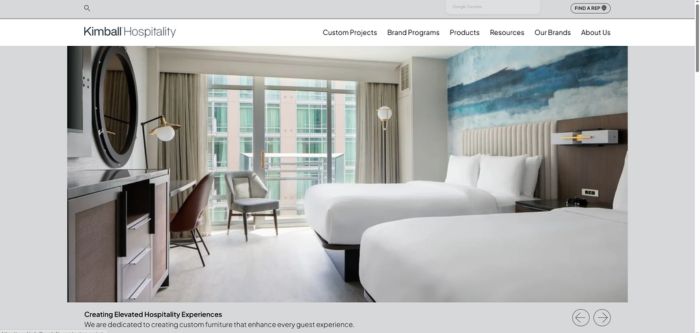
Well-suited for: Luxury resorts, large casino-hotel projects, and properties executing design-sensitive FF&E programs where execution quality and project management matter as much as unit cost.
Kimball Hospitality specializes in custom hospitality furniture—from bespoke guest room case goods to complete public-space build-outs. FF&E procurement carries higher risk than OS&E: delays or quality failures can directly impact a property opening.
- Operational strengths: Deep experience with complex, custom FF&E programs for major hospitality brands. Broad manufacturing capabilities that span custom headboards through full lobby installations.
- Tradeoffs to consider: Premium positioning is reflected in pricing, which tends to be significantly higher than midscale FF&E alternatives. Custom lead times can reach 12 to 16 weeks; build additional buffer into your timeline.
- Procurement takeaway: Kimball Hospitality is well-aligned with large, design-sensitive FF&E projects where delivering on brand specification matters more than achieving the lowest unit cost.
Operating Supplies and Equipment (OS&E): American Hotel Register
Well-suited for: Midscale hotels, independent operators, and property managers who need a single source for a broad range of day-to-day operating items.
American Hotel Register’s catalog spans more than 70,000 products—housekeeping supplies, guest room accessories, small appliances, uniforms, and beyond. For properties managing lean purchasing teams, consolidating OS&E orders with a single vendor meaningfully reduces administrative overhead.
- Operational strengths: Exceptional catalog breadth for OS&E purchasing consolidation, proprietary label products at competitive price points, and established national logistics.
- Tradeoffs to consider: Orders below certain thresholds may incur slower shipping or added freight costs. Custom-imprinted products carry their own longer turnaround requirements. Confirm current minimums before planning reorder cycles.
- Procurement takeaway: American Hotel Register is a practical choice for properties that value OS&E purchasing consolidation over specialized niche buying. It is not a strong fit for custom FF&E or bespoke amenity programs.
Group Purchasing and Spend Leverage: Entegra Procurement Services
Well-suited for: Multi-property management groups, hotel franchisors, and operations with meaningful annual purchasing volume seeking pre-negotiated contract pricing.
Entegra is a Group Purchasing Organization—it does not warehouse products. Instead, Entegra leverages aggregate member spend to negotiate discounted contracts with manufacturers and distributors, then passes those rates to members. It also provides spend analytics and sustainability tracking.
- Operational strengths: Access to pre-negotiated pricing contracts, centralized spend visibility, and analytics tools that support procurement performance benchmarking.
- Tradeoffs to consider: The GPO model constrains your supplier options to the approved network. Small, single-property operators often lack the spend volume to extract meaningful value from the structure. Evaluate whether your annual purchasing volume justifies the model before enrolling.
- Procurement takeaway: Entegra is most effective for operators who benefit from centralized purchasing leverage and spend visibility. It is not a natural fit for independent properties managing lean, flexible purchasing programs.
Independent and Boutique Hotel Purchasing: Pineapple Hospitality
Well-suited for: Independent lifestyle properties, eco-conscious boutique hotels, and operators seeking a curated buying experience with flexible minimums.
Independent hotels carry different procurement constraints than flagged properties. They typically need lower MOQs, more design flexibility, and products that feel intentional rather than chain-standard. Pineapple Hospitality addresses that segment with a curated, sustainability-focused catalog.
- Operational strengths: Low minimum order quantities that accommodate tighter storage limits and smaller budgets. A curated selection of premium and eco-friendly amenities and room accessories.
- Tradeoffs to consider: The intentionally curated catalog is narrower than broadline distributors. Buyers may also pay a premium for eco-focused specialty items compared to commodity alternatives.
- Procurement takeaway: Pineapple Hospitality is a sensible fit for independent properties that value flexibility, guest experience differentiation, and sustainability positioning. Buyers needing deep catalog breadth should supplement with a broader distributor.
Large Chain and Maintenance-Focused Operations: HD Supply
Well-suited for: National brands, franchised properties, and large hotel chains requiring standardized operational and maintenance supplies across multiple locations.
HD Supply operates one of the more extensive hospitality distribution networks in the U.S., with a catalog reported to exceed 100,000 products spanning HVAC components, maintenance tools, housekeeping equipment, and basic room supplies.
- Operational strengths: Broad distribution footprint supporting fast delivery across the continental U.S. Deep catalog for maintenance-heavy operations where standardization across locations is the priority.
- Tradeoffs to consider: At this scale, customer service can feel less personalized when addressing complex account issues. Small orders may generate shipping fees that reduce net savings. Confirm freight terms before placing low-volume orders.
- Procurement takeaway: HD Supply is better positioned than most smaller vendors to support standardized, maintenance-heavy purchasing across large multi-state portfolios. It is not a primary destination for custom amenities or design-driven FF&E.
Custom-Branded Guest Experience Programs: WESSCO International
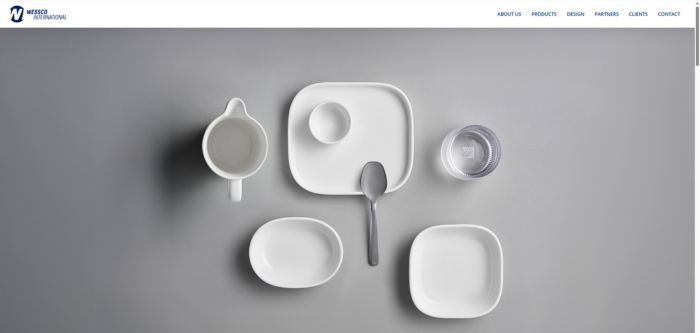
Well-suited for: Luxury lifestyle brands, independent boutique groups, and hotel collections where custom-branded products are central to the guest experience strategy.
WESSCO International functions more like a design-driven sourcing partner than a standard catalog vendor. The company helps hospitality brands translate design direction into physical guest-facing products—room accessories, bath programs, lifestyle items—through bespoke manufacturing and exclusive brand partnerships.
- Operational strengths: World-class bespoke design services, global manufacturing capabilities, and exclusive partnerships with premium retail brands for co-branded guest product programs.
- Tradeoffs to consider: Built-to-order products require significantly longer lead times than stock alternatives. High minimum order quantities are standard for custom manufacturing programs.
- Procurement takeaway: WESSCO is a credible choice when custom brand storytelling through physical guest products is a defined strategic goal. Budget generous lead time and plan your order cycles accordingly.
Budget and Economy Segment Essentials: National Hospitality Supply
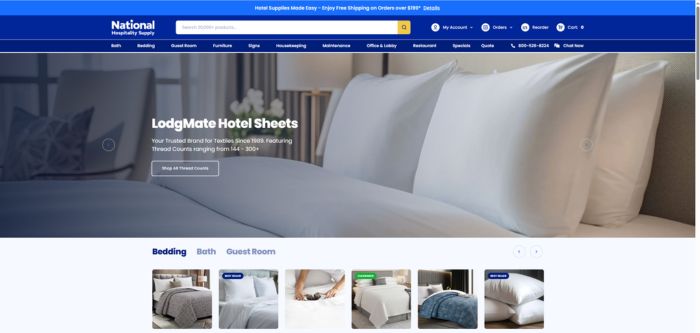
Well-suited for: Economy motels, budget franchises, and independent properties where controlling daily replenishment costs is the primary procurement objective.
Economy and midscale properties operate on tight margins. National Hospitality Supply addresses that reality with competitive pricing on everyday essentials, bulk discount structures, and a straightforward ordering process suited to lean management teams.
- Operational strengths: Competitive commodity pricing, bulk-discount availability, and operational simplicity that reduce purchasing overhead for small teams.
- Tradeoffs to consider: The catalog skews toward utilitarian basics. Buyers will not find premium custom amenities or design-forward furnishings here.
- Procurement takeaway: National Hospitality Supply is a practical, budget-oriented option for economy and midscale properties focused on keeping daily operations running affordably. It is not built for premium or custom programs.
Aligning Supplier Selection with Property Type
Your property’s operating model shapes every procurement decision you make. A sprawling resort and a 35-room boutique face entirely different sourcing realities, and no single supplier is the right answer for both.
- Boutique and independent hotels typically require lower MOQs, greater design flexibility, and suppliers that can accommodate less standardized orders. Look for specialized suppliers with curated catalogs and willingness to work with smaller-volume accounts.
- Budget and economy properties prioritize price consistency, replenishment reliability, and the purchase of durable commodities. Focus on budget-oriented distributors who can deliver functional essentials with fast, predictable shipping.
- Luxury hotels place more weight on finish quality, customization depth, and brand alignment than on lowest unit cost. Expect higher minimums and longer lead times in exchange for greater brand exclusivity. Build those timelines into your planning from day one.
- New property openings require careful sequencing. Order custom FF&E and branded amenities 6 to 12 months in advance. Transition to agile distributors for daily operating supplies in the weeks before launch.
- Multi-property groups benefit most from national distributors and GPOs that support standardization, centralized billing, and broad geographic coverage across their portfolio.
What Standard Hotel Supplier Guides Don’t Cover
Most procurement resources focus on which vendors exist. Fewer address the operational realities that determine whether a supplier decision actually succeeds.
- Lead time risk is frequently underestimated. When a vendor quotes 12 weeks for custom furniture or branded amenities, plan for 16. Supply chain snags are routine, and an opening delay or an emergency substitute purchase will cost far more than any unit-price discount you negotiated.
- “Free shipping” offers deserve scrutiny. Freight costs are often baked into unit pricing rather than listed separately. On large bulk orders, a vendor with transparent freight charges and lower per-unit costs may be the more economical option overall. Compare total landed cost, not headline price.
- Sustainability claims require verification. A green label or eco-friendly descriptor on a catalog page carries no weight without third-party certification to support it. Look for verifiable standards—such as FSC, Green Seal, LEED, or equivalent—before representing a supplier’s credentials to stakeholders or guests.
- Replenishment timelines need approval alongside samples. A custom amenity can look exceptional in a sample presentation and still create operational problems if the replenishment lead time is 12 weeks. Underestimating consumption against a long reorder cycle leaves properties scrambling for substitutes.
- Test products under live conditions. Towels, sheets, dispensers, and housekeeping equipment frequently perform differently in daily property use than in a controlled sample review. Always request physical samples and test them under your actual laundering and operational conditions before committing to volume.
Key Questions to Ask Before Finalizing Any Supplier Agreement
Choosing a supplier is a commitment that affects your operating budget, guest experience, and team efficiency. Before signing any agreement, work through these questions with each candidate:
- What are the exact lead times for stock items versus custom orders, and what delays are typical in practice?
- What are the minimum order quantities by category, and do they vary by account size or contract terms?
- How are freight costs structured—included in unit pricing, or charged separately?
- What are the sample policies and restocking fees?
- Are pricing guarantees available for extended contract periods?
- How does customization affect standard lead times, and at what point in the order process does customization become locked?
- What third-party certifications support any sustainability claims?
For commercial-grade textiles specifically, request commercial wash-cycle ratings rather than retail thread count metrics. Durability during industrial laundering determines the total cost of ownership for bed and bath linens.
How Wonhosp Supports International and Cross-Category Hotel Buyers
The suppliers reviewed above are primarily U.S.-focused, with procurement models built around domestic distribution networks and flagged hotel standards. For certain buyer profiles, that model creates real gaps.
Wonhosp (operated by Ziyuan) is a China-based hotel-supply sourcing partner that addresses a different set of procurement needs—particularly for international buyers, developers working on new-build hospitality projects, or operators who need cross-category sourcing flexibility that large U.S. vendors don’t readily provide.
Ziyuan operates out of the Greater Bay Area, which provides strategic logistics advantages for cross-border trade and manufacturing coordination. The core offer covers OEM and ODM manufacturing for custom hospitality products, cross-category sourcing across furniture, tableware, decorative fixtures, and OS&E, and design-led project support for luxury hotel and cultural tourism developments.
For buyers for whom standard U.S. distributor minimums are prohibitively high, or for whom a project requires bespoke product development outside a catalog framework, Wonhosp provides an alternative path. This includes:
- OEM/ODM manufacturing for custom-branded or design-specific hospitality products
- Cross-category sourcing covering everything from buffet display pieces and commercial tableware to ceiling fixtures and outdoor leisure furniture
- New-build and renovation project support with integrated spatial design and procurement coordination
- Flexible order structures suited to smaller-batch custom programs that don’t meet the volume thresholds of large U.S. amenity manufacturers
All supplier data referenced in this guide reflects publicly available information. For Wonhosp-specific capabilities and current lead times, contact the Ziyuan team directly via wonhosp.com.
Building Your Supplier Mix: A Practical Framework
The most effective hotel procurement programs don’t rely on a single supplier. They use a deliberate mix of vendor types matched to purchasing categories, order frequency, and property needs.
Start by mapping your three highest-spend procurement categories. Then apply the following logic:
- For high-volume, long-lead custom items (furniture, branded amenities): engage direct manufacturers or OEM partners at least six to twelve months before you need delivery
- For daily operating and replenishment categories (linens, OS&E, housekeeping supplies): use agile distributors with low minimums and fast fulfillment
- For portfolio-wide spend consolidation: evaluate whether your annual volume justifies a GPO membership
- For specialty or custom design programs: identify sourcing partners—domestic or international—capable of executing to your specifications at a viable MOQ
Once you’ve mapped your categories against these models, use the supplier profiles above to shortlist candidates, request samples, and verify terms before committing.
Frequently Asked Questions
What is the difference between a hotel supply distributor, a manufacturer, and a GPO?
A distributor warehouses and ships physical products directly to your property from an existing inventory. A manufacturer produces goods—either under their own brand or to your custom specification via OEM/ODM arrangements. A Group Purchasing Organization (GPO) holds no inventory; it negotiates pre-discounted contracts with suppliers on behalf of member hotels, who then purchase through those pre-negotiated agreements. Each model serves different procurement needs and suits different buyer profiles.
Which hotel supply companies are well-suited for independent hotels?
Independent properties tend to benefit from suppliers with low minimum order quantities, flexible terms, and catalogs that don’t feel designed exclusively for flagged chain standards. Suppliers like DZEE Textiles (for linens), Pineapple Hospitality (for curated amenities), and American Hotel Register (for OS&E breadth) are commonly shortlisted by independent operators. For custom or design-intensive projects, international OEM partners like Wonhosp may provide more flexibility than large domestic manufacturers whose minimums are calibrated to chain-scale volumes.
Do small or single-property hotels benefit from joining a GPO like Entegra?
Not automatically. GPO value scales with annual purchasing volume. Single-property hotels or small operators with modest budgets often find that the pre-negotiated pricing doesn’t offset the structural constraints of the approved supplier network. Before enrolling, calculate your actual annual spend and compare potential savings against the flexibility you’d give up by limiting purchases to the GPO’s network.
What is OS&E in hotel procurement, and how does it differ from FF&E?
OS&E (Operating Supplies and Equipment) refers to movable, non-fixed items used in daily hotel operations, such as housekeeping carts, linens, uniforms, small kitchen tools, guest room accessories, and similar consumables. FF&E (Furniture, Fixtures, and Equipment) covers larger, capital-expenditure items used to furnish and equip a property—beds, case goods, seating, lighting, and other project-based purchases typically tied to an opening or renovation cycle.
How far in advance should hotels order custom amenities or branded products?
Custom amenity programs—particularly those involving proprietary scent development, branded packaging, or specialty materials—typically require eight to twelve weeks at minimum. That’s the vendor’s quoted timeline under normal conditions. In practice, build in an additional four weeks as a buffer for approval rounds, sampling iterations, or logistics delays. For major custom FF&E or branded product programs tied to a property opening, it is standard practice to begin the sourcing process six to twelve months in advance.
What should hotel buyers ask before placing a large bulk order?
Before committing to any high-volume or time-sensitive order, confirm: exact delivery timelines and typical delays, minimum order quantities by product category, freight cost structure (included vs. separately charged), sample policies and associated fees, restocking or return terms, price lock availability for the contract period, and how customization affects standard lead timelines. For textiles, request commercial wash-cycle ratings rather than relying on retail metrics like thread count.
When does it make sense to source hotel supplies internationally rather than through U.S. vendors?
International sourcing tends to make sense in three scenarios: when U.S. domestic minimums are higher than your volume can justify; when you need OEM or ODM manufacturing for a custom product not available through catalog suppliers; or when a project requires cross-category sourcing coordination (furniture, tableware, décor, OS&E) under a single partner rather than managing multiple domestic vendor relationships. Lead times and logistics complexity increase with international sourcing, so factor both into your project timeline carefully.
Make Smarter Procurement Decisions, Category by Category
Hotel supply procurement rewards specificity. The buyers who consistently get better pricing, fewer delays, and stronger supplier relationships are the ones who match their sourcing decisions to their actual operating needs—not to a ranked list built for a different type of property.
Map your highest-priority categories. Identify whether each one calls for a distributor, a manufacturer, or a GPO. Then shortlist the vendors in this guide that align with those category requirements and your property type—and reach out to each one directly to verify current terms before committing.
For international buyers, new-build projects, or operators who need cross-category OEM/ODM sourcing outside standard U.S. vendor minimums, Wonhosp welcomes direct inquiries at wonhosp.com.
Related reading on wonhosp.com:
- How to Choose Hospitality Supplies Suppliers in the USA: Top 10 for Hotel Buyers
- What Actually Defines High-Quality Hotel Tableware?
- What Actually Defines Commercial-Grade Stainless Steel Catering Supplies?
Disclaimer: Supplier capabilities, lead times, minimum order quantities, and pricing structures may vary significantly by region, account size, project scope, and customization requirements. All information in this guide is based on publicly available sources and should be verified directly with each vendor before placing high-volume or time-sensitive orders.