

Essential restaurant equipment falls into eight core categories: cooking, refrigeration, food prep, storage, cleaning and sanitation, smallwares, servingware, and safety and ventilation. The smartest approach is to buy by priority, not all at once. The biggest mistake new owners make is overspending on optional gear before covering the true must-haves. This guide gives you a category-by-category checklist, a must-have vs. optional framework, recommendations by restaurant type, a smart buying guide, and answers to the questions every opening team asks.
Here’s what you’ll walk away with:
- The 8 equipment categories every kitchen needs
- How to sort must-haves from nice-to-haves
- What to buy based on your restaurant type
- Buying tips that help you avoid costly mistakes
What Counts as Essential Restaurant Equipment?
Essential restaurant equipment is the gear your kitchen needs to prep, cook, store, serve, and stay safe and compliant. If a piece of equipment doesn’t support one of those five jobs, it probably isn’t essential on day one.
It helps to separate two things. Equipment means the major appliances: ovens, ranges, refrigerators, dishwashers. Smallwares means the tools and utensils that make those appliances useful: knives, pans, tongs, mixing bowls.
Your real list depends on three factors: your menu, your expected volume, and your available space. A busy pizza shop and a quiet café need very different setups, even though both cook food.
Do this first: Map your menu before you buy anything. Your menu decides your equipment, not the other way around. Once you know every dish you’ll serve, the required equipment becomes obvious, and you stop paying for machines you’ll never switch on.
Essential Restaurant Equipment Checklist by Category
This is the heart of your commercial kitchen equipment list. Work through all eight categories below, treating each as a mini checklist. Keep a running document so nothing slips through before opening day.
Cooking Equipment
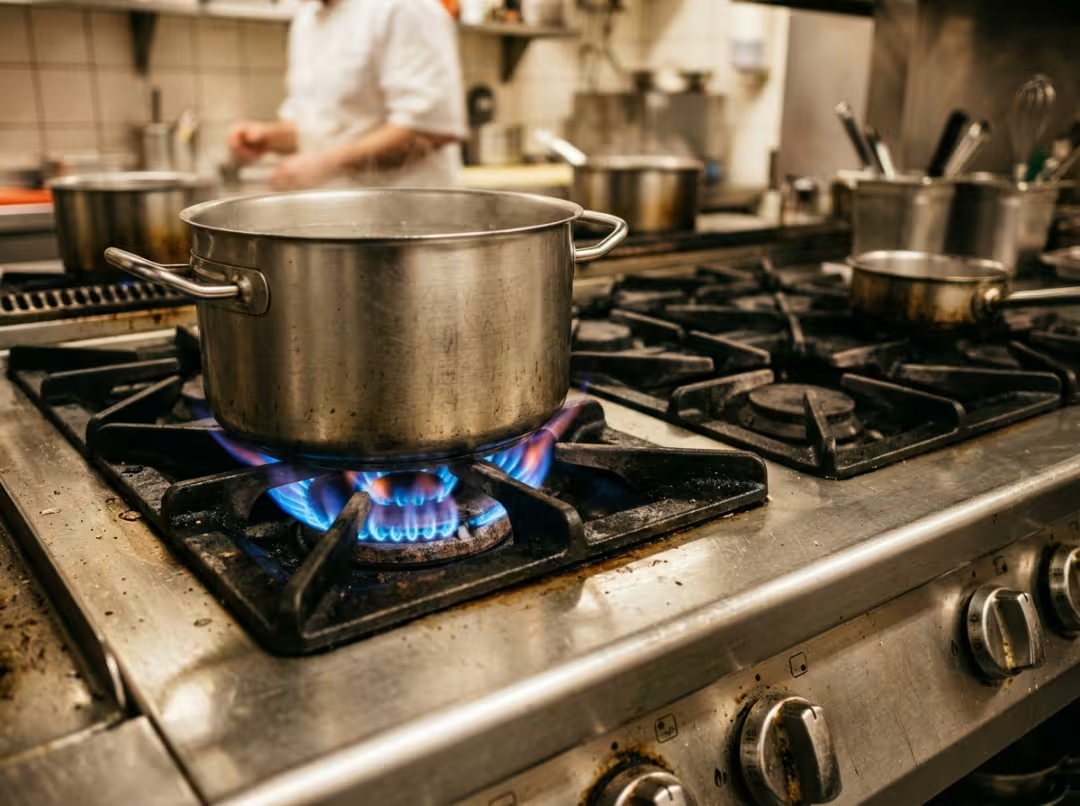
This category covers ovens (commercial, convection, combination, pizza, and conveyor), ranges, griddles, fryers, and grills. It’s the backbone of your kitchen.
Why it matters: This is your highest-cost, highest-impact category. It sets the ceiling on what your menu can do.
Common pitfall: Buying a range wider than your cooking line or exhaust hood can support. Confirm your utility and ventilation limits before you order.
Refrigeration & Freezing
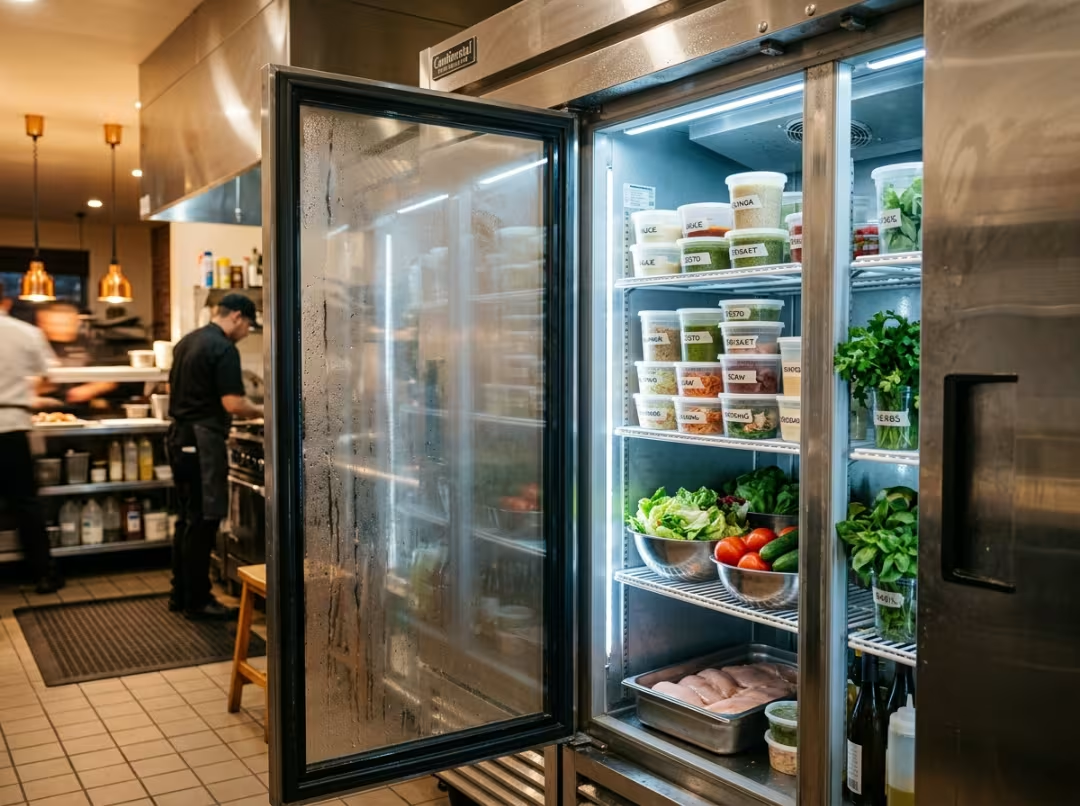
Include reach-in units, walk-in coolers, prep-table refrigeration, freezers, and an ice machine. Cold storage keeps ingredients safe and extends shelf life.
Why it matters: Food safety and product quality depend directly on reliable refrigeration.
Common pitfall: Undersizing cold storage for your busiest inventory days. Size for peak deliveries, not an average Tuesday.
Food Prep Equipment
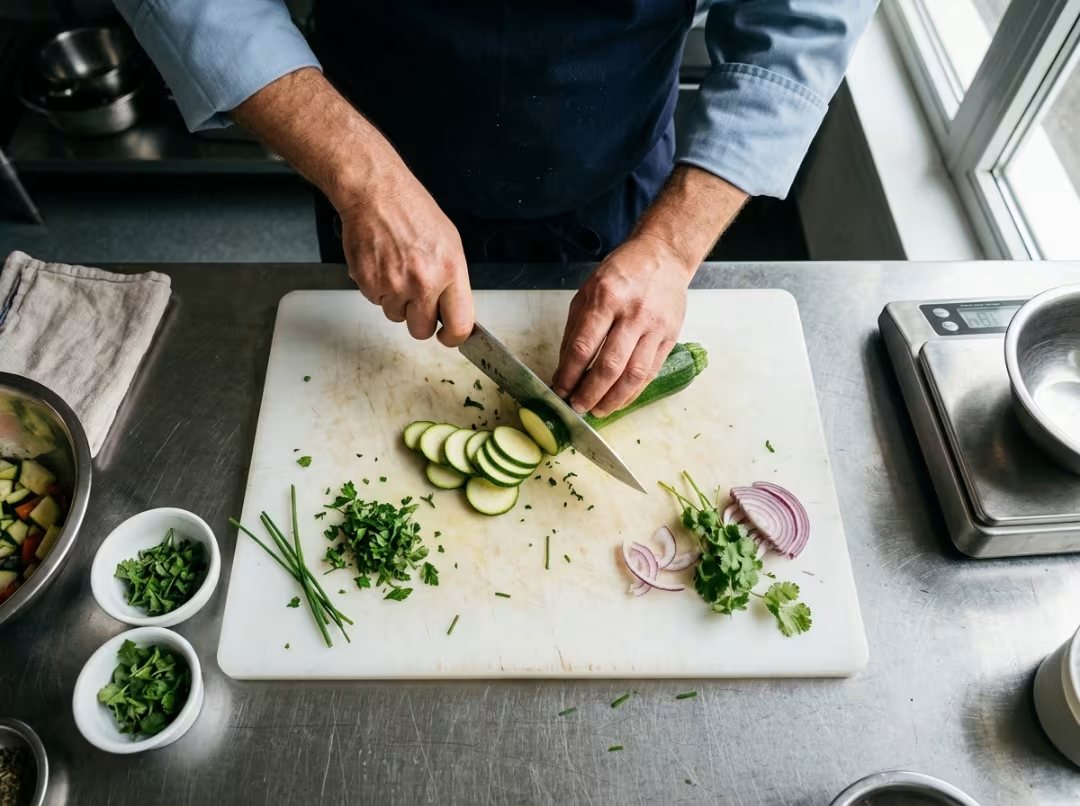
This includes prep tables, cutting boards, food processors, mixers, slicers, and scales. These tools turn raw ingredients into service-ready components.
Why it matters: Prep speed drives your labor cost and your consistency. Faster prep means lower payroll and steadier plates.
Common pitfall: Choosing a countertop mixer when your volume actually demands a floor mixer. Match the machine to your daily output.
Storage Equipment
Stock shelving, ingredient bins, dough boxes, food storage containers, and canisters. Good storage keeps your kitchen organized and your inventory rotating.
Why it matters: Organized storage cuts waste and speeds up service. Staff finds what they need without digging.
Common pitfall: Ignoring NSF-rated, corrosion-resistant materials. Cheap shelving rusts and fails a health inspection fast.
Cleaning & Sanitation
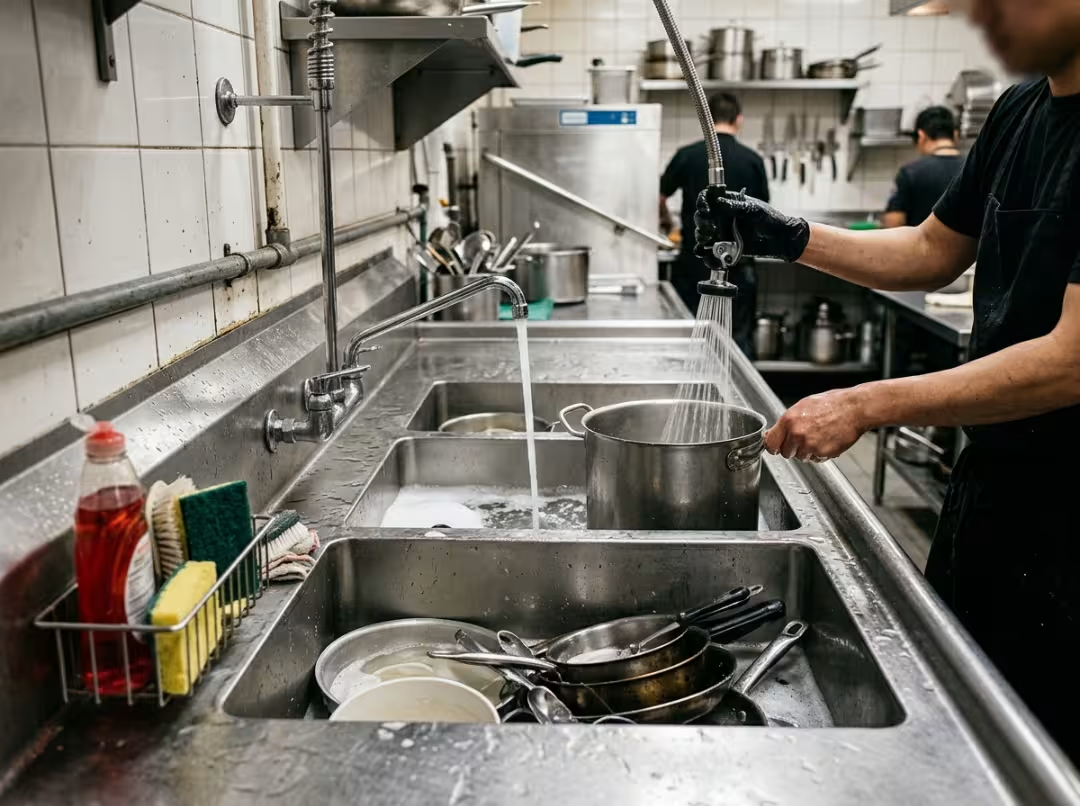
Plan for a commercial dishwasher, a three-compartment sink, dedicated handwash sinks, sanitizer buckets, and cleaning supplies.
Why it matters: This category is tied directly to passing health inspections. No shortcuts here.
Common pitfall: Forgetting a dedicated handwash station separate from your prep sinks. Most codes require it, and inspectors check.
Smallwares & Utensils
This covers pots, pans, chef’s knives, mixing bowls, whisks, spatulas, ladles, tongs, sheet pans, and towels.
Why it matters: Smallwares are cheap to overlook and painful to run short of mid-shift. They keep the line moving.
Common pitfall: Stocking a single set instead of a full shift’s worth. Buy enough that your team never stalls waiting on a clean pan.
Servingware
Include dishware, glassware, flatware, ramekins, platters, and linens. This is what your guests actually see and touch.
Why it matters: Servingware shapes guest perception and supports faster table turnover.
Common pitfall: Not accounting for breakage. Order backup inventory so a busy weekend doesn’t leave you short on plates.

Safety & Ventilation
Plan for range hoods, a fire suppression system, extinguishers, a first-aid kit, wet-floor signs, and proper ventilation.
Why it matters: These items are non-negotiable for code compliance and staff safety.
Common pitfall: Treating ventilation as an afterthought. It’s a build requirement, so plan it into your layout from the start, not after the equipment arrives.
Must-Have vs. Optional: How to Prioritize Your Equipment
Not every item deserves your money on day one. Use this three-tier framework to protect your opening-day cash flow and buy in the right order.
|
Priority tier |
What to buy |
Examples |
|---|---|---|
|
Must-have (buy first) |
Anything you cannot legally open or cook without |
Cooking line, refrigeration, sanitation setup, safety and ventilation, core smallwares |
|
Important (buy soon) |
Gear that improves speed and capacity once you’re running |
Specialty prep equipment, extra storage, additional cold units |
|
Optional (buy by concept) |
Nice-to-haves that depend on your specific menu |
Slicers, buffalo choppers, specialty ovens, display gear |
Phase your purchases so your cash lasts. Fund the entire must-have tier first, then move to important, then optional.
Do this: Fully fund the must-have tier before you spend a single dollar on optional gear. A great slicer means nothing if your walk-in isn’t cold.
Restaurant Equipment by Restaurant Type
Your concept changes your list. Here’s a tailored shortlist for five common formats so you can see where your priorities land.
Café or Coffee Shop
Focus on an espresso machine, quality grinders, small refrigeration, a countertop oven, and a display case. Volume is lower, so compact and efficient beats oversized.
Fast Casual
Prioritize high-volume fryers, griddles, holding equipment, and an efficient prep line. Speed and throughput drive this model, so build for peak-hour rushes.
Full-Service Restaurant
You’ll need a full cooking line, a walk-in cooler, a commercial dishwasher, a broad range of smallwares, and complete servingware. This is the most equipment-heavy format.
Bakery
Center your kitchen on convection or deck ovens, floor mixers, proofers, dough boxes, and sheet pans. Mixing and baking capacity are your make-or-break investments.
Fine Dining
Invest in combination ovens, a blast chiller, precision tools, premium servingware, and specialty stations. Quality and consistency matter more than raw speed here.
How to Buy Restaurant Equipment: A Smart Buying Guide
Knowing what you need is half the job. Buying it well is the other half. Use these guidelines to spend wisely when equipping your commercial kitchen.
New vs. Used Equipment
Used can make sense for simple, durable items like stainless prep tables and refrigeration housings. Buy new for anything with a compressor, a warranty, or heavy daily wear, where a breakdown would shut down service.
Sizing Your Equipment
Match capacity to your peak covers and your actual floor space. Undersizing chokes your service during rushes; oversizing wastes money and square footage. Measure your space and your busiest expected volume before ordering.
Energy Efficiency
Look for ENERGY STAR-rated units to lower long-term utility bills. Also weigh gas versus electric: gas ranges offer fast, precise heat and work during outages, while electric units clean easily and reduce fire risk.
Materials & Durability
NSF-certified stainless steel is the standard for prep surfaces and shelving. It resists bacteria, handles harsh cleaning products, and lasts for years. Skimping on materials usually costs more in replacements and inspection headaches.
Common Buying Mistakes to Avoid
- Buying before you finalize your menu
- Ignoring hood, gas, and electrical requirements
- Cutting corners on sanitation gear
- Forgetting backup smallwares for a full shift
Frequently Asked Questions
What equipment do I need to open a restaurant?
You need equipment across eight categories: cooking, refrigeration, food prep, storage, cleaning and sanitation, smallwares, servingware, and safety and ventilation. Start with the must-have tier, cooking line, refrigeration, sanitation, and safety gear, then add the rest based on your menu and volume.
What is the most important equipment in a commercial kitchen?
Your cooking line and refrigeration matter most. Cooking equipment defines what your menu can deliver, while refrigeration keeps food safe and compliant. Without reliable versions of both, you can’t legally or practically operate, which is why they anchor the must-have tier of your list.
Should I buy new or used restaurant equipment?
Buy used for simple, durable items like stainless tables and refrigeration housings. Buy new for anything with a compressor, warranty, or heavy wear. A used cooler with a failing compressor can spoil inventory and cost far more than the money you saved upfront.
What equipment is required to pass a health inspection?
Inspectors typically require a three-compartment sink, dedicated handwash sinks separate from prep sinks, proper refrigeration holding safe temperatures, NSF-rated surfaces, and adequate ventilation. Fire suppression and extinguishers are also standard. Check your local code early, since requirements vary by region.
How much does it cost to equip a commercial kitchen?
Costs vary widely by concept, size, and whether you buy new or used. A small café costs far less than a full-service kitchen with a walk-in and dishwasher. Build a phased budget: fund must-haves first, then add important and optional gear as revenue allows.
Gas range or electric range: which is better for a restaurant?
Gas ranges heat fast, offer precise control, and work during power outages, but they’re harder to clean and carry higher fire risk. Electric ranges cook evenly and clean easily, but raise electricity costs. Choose based on your menu, utility access, and staff preferences.
Do I need a walk-in cooler or are reach-in units enough?
Reach-in units work for smaller kitchens with limited storage needs. A walk-in cooler suits high-volume restaurants that store large quantities of ingredients. Base your choice on your menu, delivery frequency, and available space, and always size for your busiest inventory days, not your average ones.
Conclusion
Essential restaurant equipment spans eight categories, from your cooking line and refrigeration to smallwares and safety gear. The winning approach is simple: buy by priority and by concept, not all at once. Cover your must-haves fully, then layer in important and optional items as your kitchen finds its rhythm.
A well-planned equipment list does more than fill your kitchen. It protects your cash flow, speeds up your opening, and keeps you compliant from day one. Map your menu, work through the checklist by category, and use the priority framework to spend in the right order.
Ready to take the next step? Download the category checklist and start building your own commercial kitchen equipment list today.