

Commercial plate warmers are essential equipment for maintaining food service quality in hotels and restaurants. They preserve dish temperature from kitchen to table, reduce guest complaints, and support consistent service across banquet, buffet, and room service operations. Choosing the right model depends on volume, service format, available power infrastructure, and space constraints.
Serving a beautifully plated dish on a cold plate is one of the most avoidable mistakes in professional food service—yet it remains surprisingly common. A plate that drops 60°C within seconds of leaving the pass undermines the quality of the food, the presentation, and ultimately the guest’s perception of the establishment.
For procurement managers, F&B directors, and catering buyers, plate warmers are not an afterthought. They are a functional investment that directly affects food safety compliance, service consistency, and guest satisfaction scores. The right commercial plate warmer keeps dishes at the proper serving temperature throughout the service window, from the kitchen pass to the guest table, across hundreds of covers per sitting.
This guide covers why plate temperature matters in professional food service, the operational contexts where plate warmers add the most value, the main equipment types available, what to evaluate before purchasing, and key considerations for buyers operating in the UAE market.
Why Does Plate Temperature Matter in Professional Food Service?
Food temperature is not just a quality concern—it is a food safety issue. Regulatory guidelines in most markets, including the UAE’s food safety standards, which are governed by the Emirates Authority for Standardization and Metrology (ESMA), require hot food to be held and served at or above 60°C. A cold plate accelerates heat loss from plated food, potentially pushing it below safe serving temperatures before it reaches the guest.
Beyond compliance, the practical impact on food quality is significant. Proteins tighten, sauces separate, fats congeal, and garnishes wilt faster when placed on an unwarmed surface. For fine dining operations or hotel banquet events where plates are plated in advance and transported to function rooms, even a few minutes on a cold plate can noticeably degrade the dish.
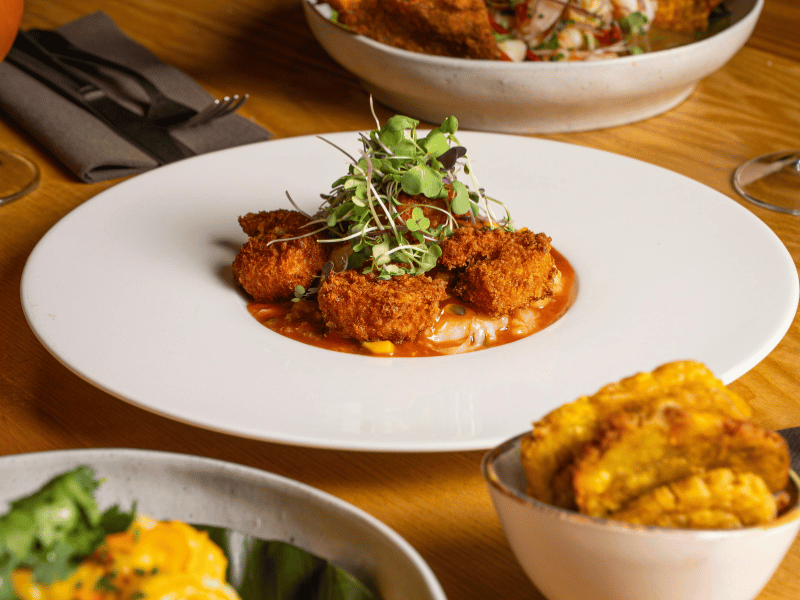
Warm plates also extend the guest’s enjoyment window. Rather than rushing to eat before food cools, guests can dine at a comfortable pace—a factor that contributes measurably to satisfaction in full-service hotel restaurants and high-end event catering.
How Do Warm Plates Affect Service Quality and Guest Satisfaction?
The correlation between plate temperature and perceived food quality is well established in the hospitality industry. Luxury hotels tracking guest feedback consistently find that temperature-related complaints—food arriving lukewarm or cold—rank among the top service failure categories. Plate warmers directly address this problem at the source.
In high-volume operations, the challenge is not just warming individual plates but maintaining consistent temperature across large batches simultaneously. A commercial plate warmer designed for hospitality use can hold stacks of 50 to 200 or more plates at controlled temperatures, ensuring uniform warmth regardless of service timing or cover count.
For properties pursuing or maintaining star ratings, plate temperature is one of the measurable service standards evaluated during quality audits. Investing in reliable plate-warming equipment is therefore both a guest-experience decision and a brand-standards decision.
Operational Use Cases: Where Commercial Plate Warmers Are Used
Restaurant Plated Service
In à la carte restaurant environments, plate warmers are typically positioned at or near the pass between the kitchen and front-of-house service areas. Plates are stacked in the warmer prior to service, drawn down by the pass as dishes are plated, and delivered to guests while still hot. The key requirement here is consistent temperature control and fast heat recovery between draws.
High-throughput restaurants benefit from electric or infrared plate warmers with digital thermostats, which allow kitchen teams to maintain a precise temperature setpoint across busy service periods without manual monitoring.
Banquet and Ballroom Service
Hotel banquet operations present the most demanding plate warming challenge. Serving 300 to 1,000 covers simultaneously—often in a sequenced, synchronized service format—requires significant plate warming capacity and logistics planning.
In this context, mobile heated plate trolleys or banquet carts are standard equipment. These units are loaded in the kitchen, transported to the banquet hall or function room, and held at temperature until service begins. The ability to move warming equipment to the point of service, rather than relying on a fixed installation, is critical for large-scale banquet operations.
Some properties use heated plate lids and cloche systems in conjunction with warming trolleys to further extend temperature retention during transport. For F&B managers procuring for banquet operations, capacity—measured in plates per trolley or unit—is often the primary specification.
Buffet and Cafeteria Service
Buffet environments use plate warming in two distinct ways. First, guest-facing plate warmers or warming drawers are positioned at the buffet entrance so that guests collect pre-warmed plates before serving themselves. Second, back-of-house warming equipment ensures that replacement plates delivered to the buffet line are always at serving temperature.
In hotel breakfast buffets—often the highest-traffic F&B operation in a property—plate warmers run continuously for three to five hours. Equipment specified for this use case must be durable enough for sustained operation, easy to load and unload during peak periods, and sized appropriately for the expected guest volume.
Room Service and In-Room Dining
Room service introduces an additional challenge: the time between plating and consumption is unpredictable. Plates may sit on a tray for 10 to 20 minutes during transit. To compensate, room service operations often use insulated plate covers, heated delivery bags, or in-room warming equipment in suites and long-stay accommodation.
Some luxury hotels equip suite pantries with small countertop plate warmers or warming drawers, allowing guests or butler staff to warm plates before in-room meals are served. For hospitality procurement buyers, these compact units require a different specification than high-capacity restaurant or banquet equipment.
Types of Commercial Plate Warmers
Understanding the available equipment categories helps buyers match the right product to each operational context.
Electric Plate Warming Drawers
Built into kitchen cabinetry or pass stations, warming drawers use electric elements to maintain a consistent temperature inside an enclosed compartment. They are quiet, controllable, and well-suited to à la carte restaurants where a fixed installation is practical. Capacity typically ranges from 20 to 60 plates per drawer unit.
Heated Plate Trolleys and Banquet Carts
Mobile units with electric heating elements, insulated walls, and stackable plate racks. Designed for banquet service, these trolleys can hold 100 to 300+ plates and maintain temperature for extended periods. They are plugged in during pre-service staging and may continue heating during transport via internal thermal mass or active heating with a generator connection.
Infrared Plate Warmers
Countertop or pass-mounted units using infrared heat lamps to warm plates from above or below. Fast heat-up times and visible temperature readiness make infrared warmers popular in high-speed service environments. They are generally best suited for warming small batches of plates just before plating rather than holding large quantities for extended periods.
Plate Warming Cabinets
Freestanding insulated cabinets with internal heating elements and adjustable shelving. These units offer the highest capacity among plate-warming equipment and are commonly used in large hotel kitchens and institutional catering operations. Temperature uniformity across the full cabinet height is a key specification to evaluate.
Buffet-Style Plate Warmers
Compact countertop units designed for guest-facing placement at buffet lines. Typically hold 20 to 40 plates and use gentle heating to avoid surface damage. These units are designed for aesthetics as well as function, as they are visible to guests.
What Should F&B and Procurement Teams Consider Before Buying?
Capacity and Service Volume
Determine the maximum number of plates required at peak service. For banquet operations, this means the total cover count for the largest event; for restaurants, it means the number of plates turned over during a full sitting. Choose equipment with at least 20% additional capacity above your calculated peak to account for variability.
Temperature Control and Accuracy
Look for units with digital thermostats and adjustable temperature ranges. Most commercial plate warmers operate between 60°C and 90°C. The ability to set and maintain a precise temperature is more important than maximum heat output, particularly in fine-dining environments where different plate materials require different warming temperatures.
Plate Compatibility
Different plate materials warm at different rates and retain heat differently. Porcelain, bone china, and vitrified china are the most common in hotel service; each has different thermal properties. Confirm that the equipment you select is compatible with your tableware specification, particularly if using thicker or heavier plates.
Power Infrastructure
Commercial plate warmers draw significant electrical load. Heated banquet trolleys and large warming cabinets may require three-phase power connections. Confirm the electrical infrastructure in your kitchen or service area before specifying equipment, particularly for retrofit installations in older hotel buildings.
Mobility and Storage
For banquet operations, assess transport routes from kitchen staging areas to function rooms. Trolley dimensions must clear service corridors, elevator doors, and ramp gradients. Consider folding or nesting plate racks if storage space is limited between events.
Ease of Cleaning and Maintenance
Commercial kitchen equipment must meet hygiene standards and withstand daily cleaning. Specify units with removable components, stainless steel interiors, and sealed heating elements that can be wiped down without risk of damage.
Supplier Considerations for Buyers in the UAE
The UAE hospitality market operates to a high standard of service, with a concentration of five-star hotels, large-scale banquet venues, and luxury resort properties that demand commercial-grade food service equipment. For procurement buyers sourcing plate warmers and related hospitality equipment in the UAE, several factors are relevant.
- Local Compliance: Equipment should meet ESMA electrical safety standards and carry relevant CE or ETL certification. Verify that voltage specifications match UAE standards (220–240V, 50Hz for most commercial applications).
- After-Sales Support: Given the operational dependence on plate-warming equipment during peak service, prioritize suppliers that offer local technical support, spare parts availability, and service contracts. Equipment that fails during a 500-cover banquet poses a significant operational risk.
- Supplier Capability: For hotels and catering operations procuring multiple equipment categories simultaneously—warming equipment, tableware, buffet presentation items, and servingware—working with an established hospitality supply partner capable of handling complex, multi-category procurement can reduce lead times and simplify logistics.
Ziyuan offers a comprehensive hotel supply solution covering tableware, buffet presentation equipment, and a wide range of commercial hospitality supplies, with global sourcing capabilities and cross-border fulfillment suited to UAE and wider GCC market requirements.
Making the Right Procurement Decision
Selecting a commercial plate warmer is not a single-specification decision. The right equipment depends on your service format, event capacity, kitchen infrastructure, and tableware specification. A restaurant running 80 covers per sitting has fundamentally different requirements from a hotel banquet operation serving 600 guests in a synchronized service format.
Before issuing a purchase order, conduct a comprehensive operational assessment: map the service flow from the kitchen pass to the table, calculate peak plate throughput, audit the electrical infrastructure, and review tableware compatibility. Request equipment demonstrations where possible, and speak with references from comparable hospitality operations.
When equipment is matched accurately to operational requirements, plate warmers are among the highest-return investments an F&B operation can make—directly reducing temperature-related complaints, improving service consistency, and protecting the quality of every dish from kitchen to table.
Frequently Asked Questions
What is the recommended serving temperature for hot plates in commercial food service?
Hot plates used in commercial food service should typically be maintained between 65°C and 80°C. This range is sufficient to slow heat loss from plated food without posing a burn risk to guests handling the plate directly. Specific temperature requirements may vary by market and regulatory standard.
How many plates can a commercial plate warmer hold?
Capacity varies significantly by equipment type. Countertop buffet warmers typically hold 20 to 40 plates. Warming drawers hold 20 to 60 plates per drawer. Plate warming cabinets range from 100 to 300+ plates. Heated banquet trolleys are available in configurations that hold 100 to 400+ plates, depending on trolley size and plate diameter.
What is the difference between a plate warming cabinet and a heated banquet trolley?
A plate warming cabinet is a freestanding, fixed-position unit used to preheat large quantities of plates in a central kitchen. A heated banquet trolley is a mobile unit designed to transport warm plates from the kitchen to the service area, maintaining temperature in transit. Banquet operations typically use both in sequence.
Are commercial plate warmers suitable for use with bone china tableware?
Most commercial plate warmers are compatible with bone china, vitrified china, and porcelain. However, maximum temperature settings should be checked against the tableware manufacturer’s specifications. Some fine bone china may be sensitive to rapid temperature changes or prolonged exposure to high heat.
What electrical requirements do commercial plate warmers have in the UAE?
Commercial plate warmers in the UAE should be specified for a 220–240V, 50Hz power supply. Larger units—particularly heated banquet trolleys and plate warming cabinets—may require three-phase connections. Always confirm the power draw of any unit against available circuit capacity before installation.
How do I calculate the right plate warmer capacity for my banquet operation?
Calculate your maximum event cover count and add a 20% buffer. Factor in plate cycling time—how frequently plates are drawn and replaced—and whether service is synchronized (all plates delivered at once) or staggered. Synchronized banquet service requires the highest capacity; the full cover count must be plate-ready simultaneously.
Can plate warmers be used for room service operations?
Yes, though the equipment specification differs from restaurant or banquet use. Room service operations typically use compact countertop warmers in butler pantries for suites or rely on insulated plate covers and heated delivery bags for in-room dining trays. Some luxury properties install small warming drawers in suite kitchenettes for guest or staff use.
Ready to source commercial plate warmers and hospitality equipment for your property? Contact the Ziyuan team to discuss your procurement requirements, request product specifications, or submit an inquiry for your next hotel or catering project.