

Serving dishes are the platters, bowls, trays, and stands used to present and share food at the table. The main types are grouped by function, size, and shape. Choosing the right one matters more than you’d think: it shapes presentation, keeps food at the right temperature, and makes sharing easy.
Here’s what you’ll walk away with:
- What a serving dish is and how it differs from dinnerware
- The main types of serving dishes and their best uses
- Which materials suit which settings
- How to choose the right serving ware for your table
What Are Serving Dishes?
A serving dish is a vessel made to present, hold, and share food for a group. It’s not built to cook in or to eat from as an individual place setting. Its job is to bring food to the table so everyone can help themselves.
Two clear lines help you understand where serving dishes fit:
- Serving dishes vs dinnerware: Dinnerware, such as dinner plates, individual bowls, and mugs, belongs to each person’s place setting. Serving dishes hold the shared food everyone draws from.
- Serving dishes vs cookware: Cookware, such as pots, pans, and sheet trays, is built to handle heat and cooking. Serving dishes are built for presentation, though some crossover pieces do both jobs well.
Within the wider tableware family, serving dishes sit alongside dinnerware, glassware, and flatware as the pieces dedicated to shared food.
If a piece is meant to bring food to the table for sharing, not to cook in or eat from, it’s a serving dish.
Types of Serving Dishes by Name and Use
This section is your reference library. Each entry covers what the piece is, the food it suits, and where it fits best, whether that’s casual, formal, buffet, or restaurant service.
Serving Platters
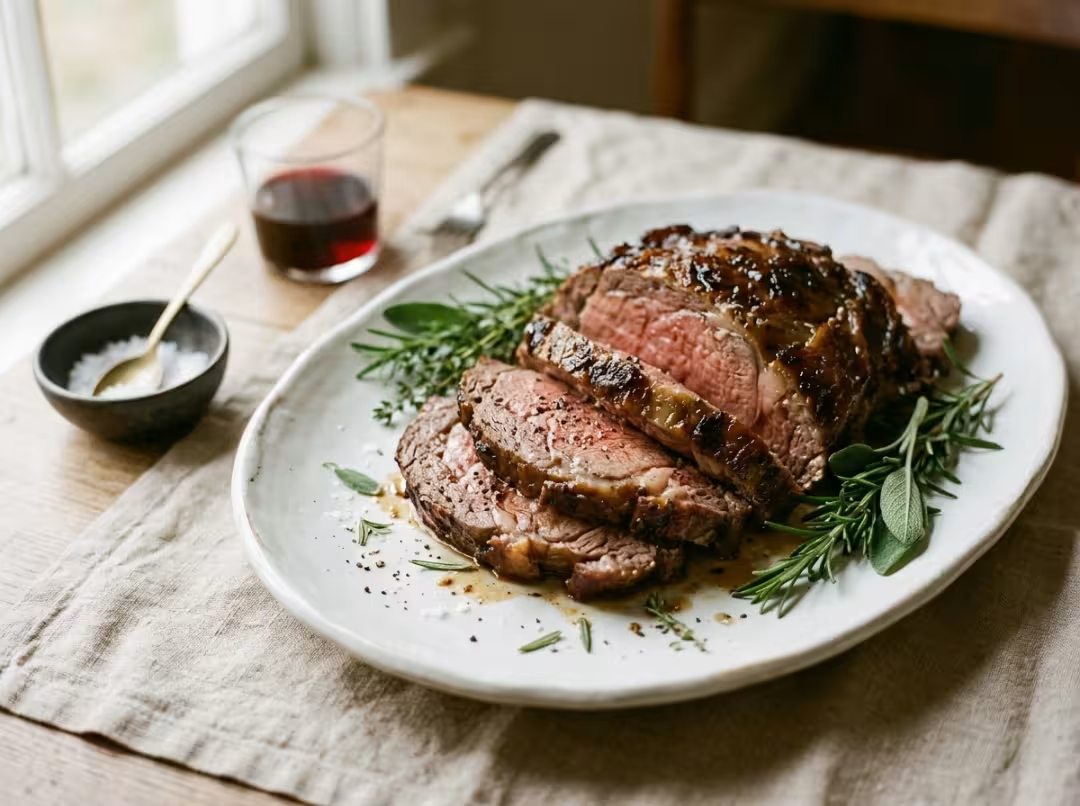
What it is: Large, flat or shallow dishes designed for centerpiece foods.
Best for: Roasts, whole fish, charcuterie, appetizer spreads, and carved meats.
Occasion fit: Family dinners, buffets, catering, and restaurant family-style service.
Serving Bowls
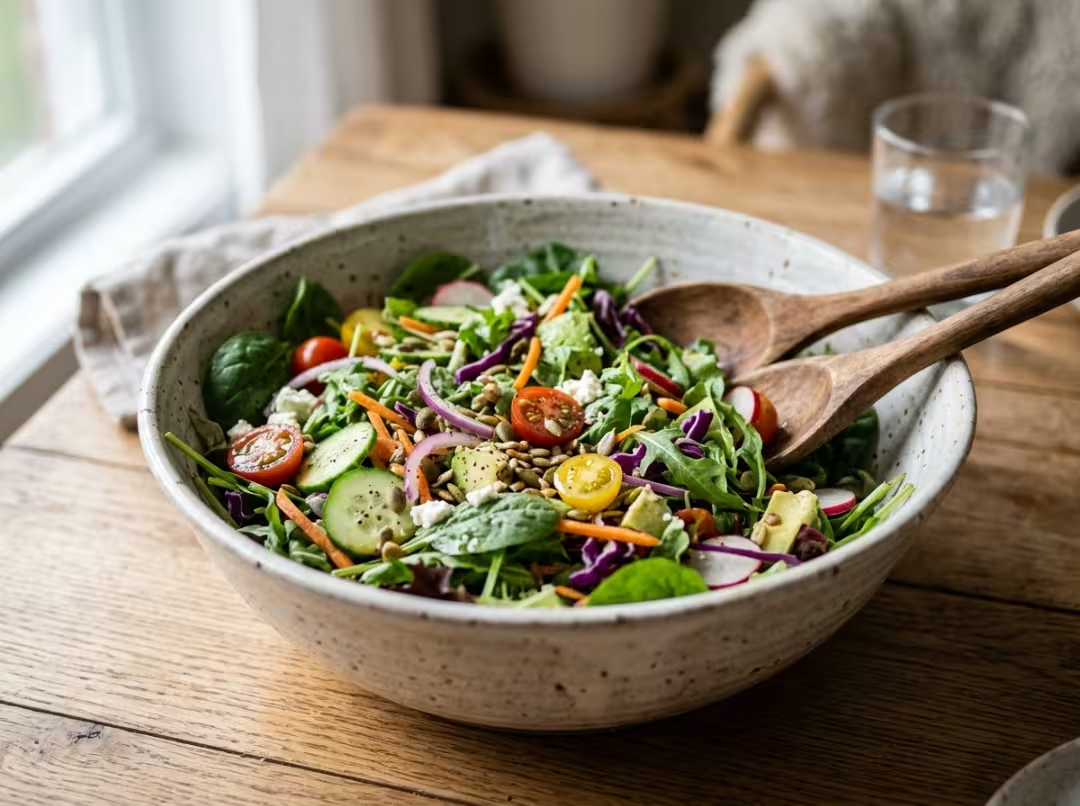
What it is: Deep, wide bowls made for foods with volume or sauce.
Best for: Salads, pasta, vegetables, rice, and stews.
Occasion fit: Everyday meals, potlucks, and casual-to-formal shared dining.
Trays
What it is: Flat carrying surfaces with raised edges.
Best for: Drinks, canapés, tea and coffee service, and plated transport.
Occasion fit: Cocktail events, room service, banquets, and café service.
Cake Stands
What it is: Raised pedestals that lift and display desserts.
Best for: Cakes, pastries, cupcakes, and tiered treats.
Occasion fit: Celebrations, afternoon tea, and bakery or dessert displays.

Gravy Boats and Sauce Servers
What it is: Spouted vessels that pour liquids cleanly.
Best for: Gravy, sauces, dressings, and syrups.
Occasion fit: Formal dinners, holiday meals, and plated restaurant service.
Ramekins and Small Dishes
What it is: Small individual or condiment-sized dishes.
Best for: Dips, sauces, sides, individual desserts, and garnishes.
Occasion fit: Fine dining sides, tasting menus, and buffet condiment stations.
Serving Boards
What it is: Wood, slate, or marble boards for rustic presentation.
Best for: Cheese, charcuterie, breads, and appetizers.
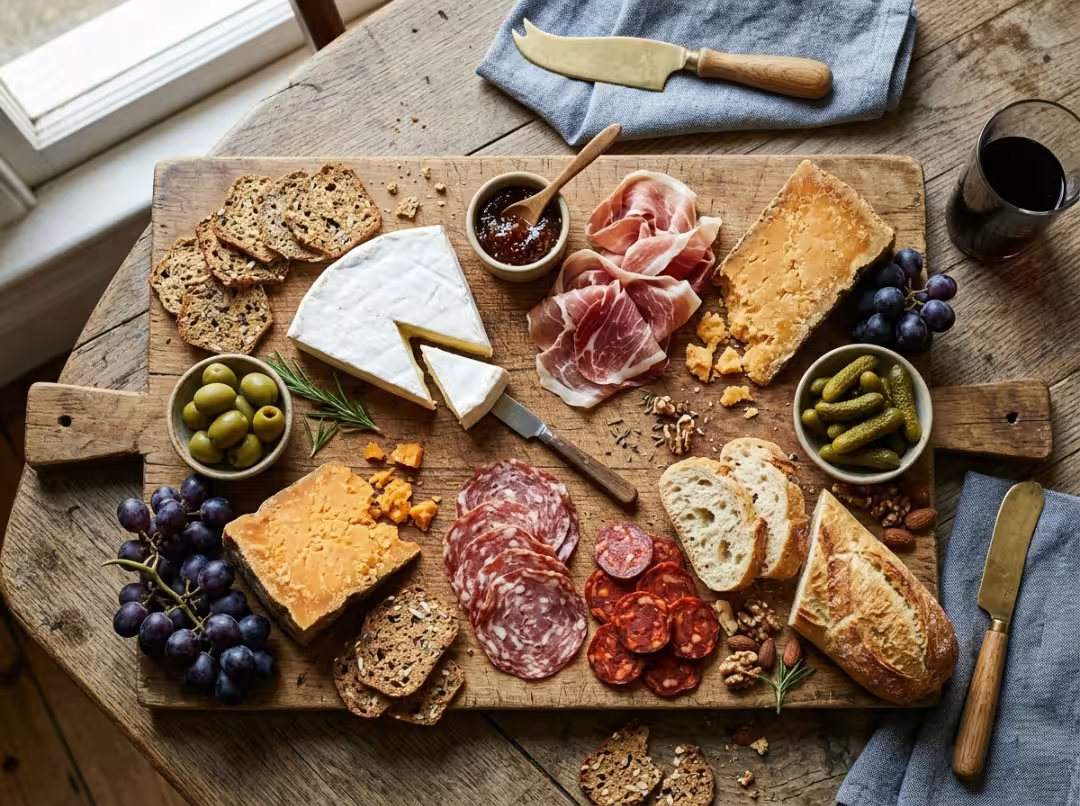
Occasion fit: Casual gatherings, bars, and modern restaurant grazing service.
Tureens and Covered Dishes
What it is: Deep lidded vessels that hold heat and volume.
Best for: Soups, stews, and hot sides.
Occasion fit: Formal dining, banquets, and buffet holding.
Divided and Relish Dishes
What it is: Sectioned dishes that keep different foods separate.
Best for: Dips, olives, pickles, and snack assortments.
Occasion fit: Parties, appetizer service, and buffet spreads.
Match the piece to both the food and the setting. A platter suits a roast at a family dinner, while a serving board fits a casual grazing spread at a bar.
Serving Dish Materials: Pros and Cons
Material affects durability, look, heat retention, and whether a dish suits home or heavy commercial use. Here’s how the most common options compare.
|
Material |
Pros |
Cons |
Best for |
|---|---|---|---|
|
Ceramic |
Versatile, oven-safe, holds heat |
Can chip, heavier |
Home baking-to-table, casual dining |
|
Porcelain |
Elegant, durable, refined finish |
Higher cost |
Fine dining, hotel F&B |
|
Glass |
Clear presentation, non-reactive |
Breakable, less heat-retentive |
Salads, desserts, cold service |
|
Wood |
Warm, rustic look |
Not dishwasher-safe, needs care |
Boards, casual grazing service |
|
Melamine |
Durable, lightweight, shatter-resistant |
Not for ovens or microwaves |
Outdoor, buffet, high-volume use |
|
Stainless Steel |
Rugged, hygienic, holds temperature |
Industrial look, shows fingerprints |
Buffets, catering, back-of-house |
- Ceramic is the everyday workhorse. It moves from oven to table and holds heat well, though it chips over time and adds weight.
- Porcelain brings a refined, elegant finish that suits upscale settings. It costs more, but its durability and polished look earn their keep in fine dining.
- Glass shows off layered salads and colorful desserts, and it won’t react with acidic foods. Just handle it with care, since it breaks and cools quickly.
- Wood delivers a warm, rustic feel that’s perfect for boards. It needs hand-washing and occasional oiling, so it’s better for presentation than for heavy daily rotation.
- Melamine is nearly unbreakable and lightweight, making it ideal for outdoor and high-volume service. Keep it away from ovens and microwaves.
- Stainless steel withstands constant use and maintains temperature during long service windows. Its industrial look and fingerprint-prone surface make it a back-of-house and buffet favorite.
For restaurants and hotels, commercial durability matters most. Prioritize NSF-rated, chip-resistant, and dishwasher-safe pieces that survive daily rotation and frequent washing.
Match the material to the setting first, then to the look you want.
How to Choose Serving Dishes
The right serving dish depends on your food, your setting, and how hard the piece has to work. Use these factors to narrow your choices fast.
By Occasion
Casual meals favor bowls, boards, and everyday ceramic. Formal events call for porcelain platters, tureens, and gravy boats that elevate the table.
By Food Type
Match the dish to the food. Use platters for solids, bowls for saucy or bulk dishes, trays for drinks and small bites, and ramekins for dips and sides.
By Durability and Use Volume
Home use allows delicate materials like glass and fine porcelain. High-volume restaurants and buffets need chip-resistant, dishwasher-safe, stackable pieces that handle constant turnover.
Home vs Commercial Use
Home buyers can prioritize style and versatility. Hospitality buyers should prioritize durability, replacement availability, and standardization across outlets, so a broken piece is easy to reorder and match.
By Style and Coordination
Choose pieces that coordinate with your existing tableware. A consistent look makes the table feel intentional rather than mismatched.
Decide setting and volume first, then food type, then style. That order keeps you from buying beautiful pieces that can’t survive your service.
Frequently Asked Questions
What is a serving dish?
A serving dish is a vessel made to present and share food with a group, such as a platter, bowl, tray, or stand. Unlike dinnerware, which holds one person’s meal, a serving dish holds the shared food everyone helps themselves to at the table.
What are the main types of serving dishes?
The main types include serving platters, serving bowls, trays, cake stands, gravy boats, ramekins, serving boards, tureens, and divided dishes. Each is grouped by function, size, and shape, and suits specific foods, from carved roasts and salads to sauces, desserts, and appetizer spreads.
What is the difference between a platter and a tray?
A platter is a flat or shallow dish that holds food directly, such as a roast or a charcuterie spread. A tray is a carrying surface with raised edges, used to transport drinks, small bites, or plated items. Platters present food; trays move it.
Which serving dishes are best for restaurants?
Restaurants benefit from durable, standardized pieces: porcelain platters and bowls for plating, stainless steel for buffets, and melamine for high-volume or outdoor service. Prioritize NSF-rated, chip-resistant, dishwasher-safe items that are easy to reorder and match across your outlets.
What material is best for serving dishes?
There’s no single best material. Ceramic suits versatile home use, porcelain fits fine dining, glass shows off cold dishes, wood works for rustic boards, melamine handles high-volume service, and stainless steel excels at buffets. Match the material to your setting and how hard the piece must work.
How many serving dishes do I need for a dinner party?
For a typical dinner party of six to eight guests, plan on two to three platters, two to three serving bowls, one or two trays, and a few small dishes for sauces and sides. Add a cake stand or board if you’re serving dessert or appetizers.
Can serving dishes go in the oven or dishwasher?
It depends on the material. Ceramic and porcelain are usually oven- and dishwasher-safe, while glass varies by type. Wood and melamine should never go in the oven, and wood needs hand-washing. Always check the manufacturer’s guidance before exposing any piece to heat.
Conclusion
Serving dishes span platters, bowls, trays, stands, and more, and the right choice comes down to four things: food, occasion, material, and setting. Get those right and your serving ware improves presentation, keeps food at temperature, and makes sharing effortless, whether you’re hosting at home or running a busy dining room.
Ready to build your collection? Browse a servingware range that fits your table and your volume, then choose pieces that coordinate and last.