

The meaning of OS&E is simple: OS&E stands for Operating Supplies and Equipment, the movable, frequently replaced items a hotel or restaurant needs to run day-to-day. Think linens, tableware, kitchen smallwares, cleaning products, and guest room amenities. Unlike FF&E, which covers fixed furniture and long-life fixtures, OS&E gets used, worn, and reordered on a regular cycle.
Here’s what you’ll walk away with:
- What OS&E actually means in hospitality
- Real OS&E examples by department
- How OS&E differs from FF&E
- How to plan and buy OS&E the smart way
What Is OS&E?
Operating Supplies and Equipment are the consumable and reusable items that support a property’s daily operations and guest service. If it moves, gets used often, and needs regular replacement, it’s almost always OS&E.
The term has two halves worth separating.
- Operating supplies: items used up and replenished often, such as soap, toiletries, cleaning chemicals, and paper goods.
- Operating equipment: reusable, movable tools that last longer but still get replaced regularly, such as glassware, cutlery, trays, and pans.
In the hospitality budget, OS&E sits on the operating expense side, not the fixed capital asset side. That distinction shapes how you plan, purchase, and account for it throughout the year.
Quick takeaway: If an item is movable, gets used daily, and needs regular replacement, it belongs in the OS&E column.
OS&E vs FF&E
Here’s the one-line distinction: FF&E is the fixed, long-life furniture and fixtures, while OS&E is the movable, frequently replaced operating stock.
The table below clarifies the boundary.
|
Factor |
OS&E |
FF&E |
|---|---|---|
|
Full name |
Operating Supplies and Equipment |
Furniture, Fixtures, and Equipment |
|
Nature |
Movable, consumable, reusable |
Fixed, installed, long-life |
|
Lifespan |
Short to medium; replaced often |
Years; part of the property’s build |
|
Expense type |
Operating expense (OpEx) |
Capital expense (CapEx) |
|
Examples |
Linens, glassware, toiletries, smallwares |
Beds, sofas, desks, lighting fixtures |
|
Replacement cycle |
Frequent, ongoing |
Rare, planned refurbishment |
Why does the difference matter? It shapes your budget lines, your accounting, and your reorder planning. FF&E is a one-time build investment you refresh every few years, while OS&E is a running cost you manage month after month.
Quick takeaway: Sort every item into OS&E or FF&E early. It saves confusion when you build budgets and set reorder points.
OS&E Examples by Hotel Department
The easiest way to understand OS&E is to see it by department. Here are real examples of operating supplies and equipment across a typical hotel.
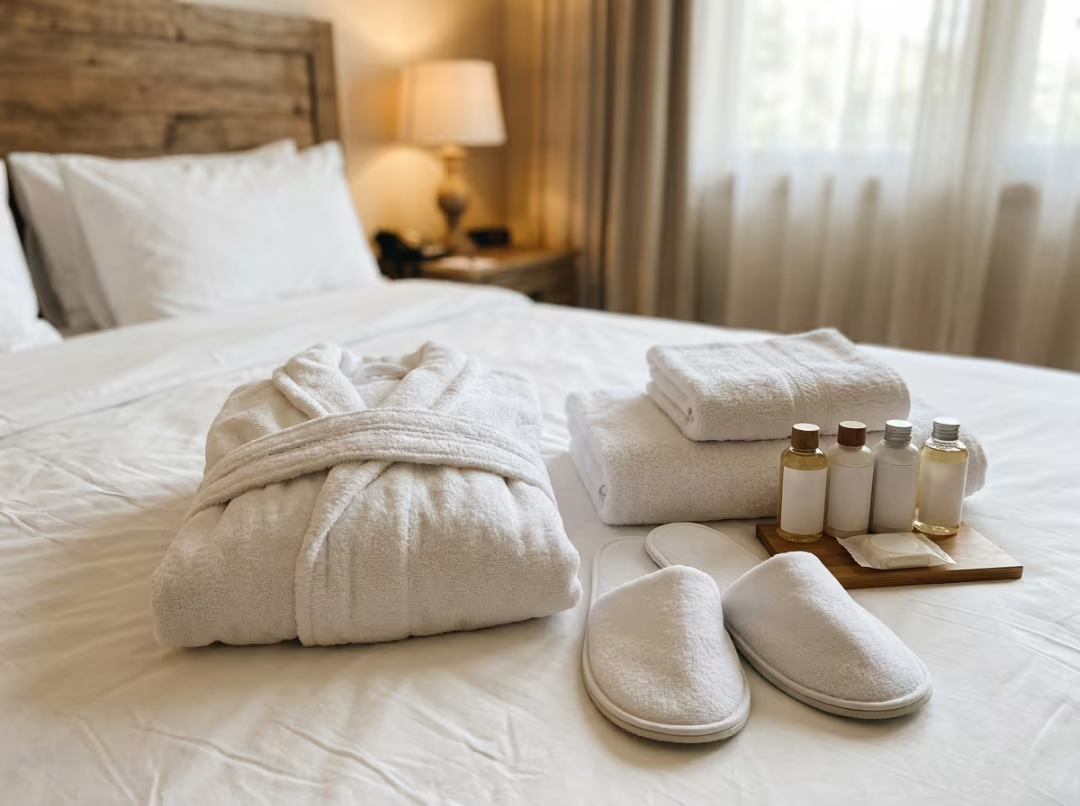
Guest Room Supplies
These items shape the first impression a guest gets when they open the door.
- Bed linens, towels, and bathrobes
- Slippers, toiletries, and in-room amenities
- Hangers, ice buckets, and service trays
Housekeeping Supplies
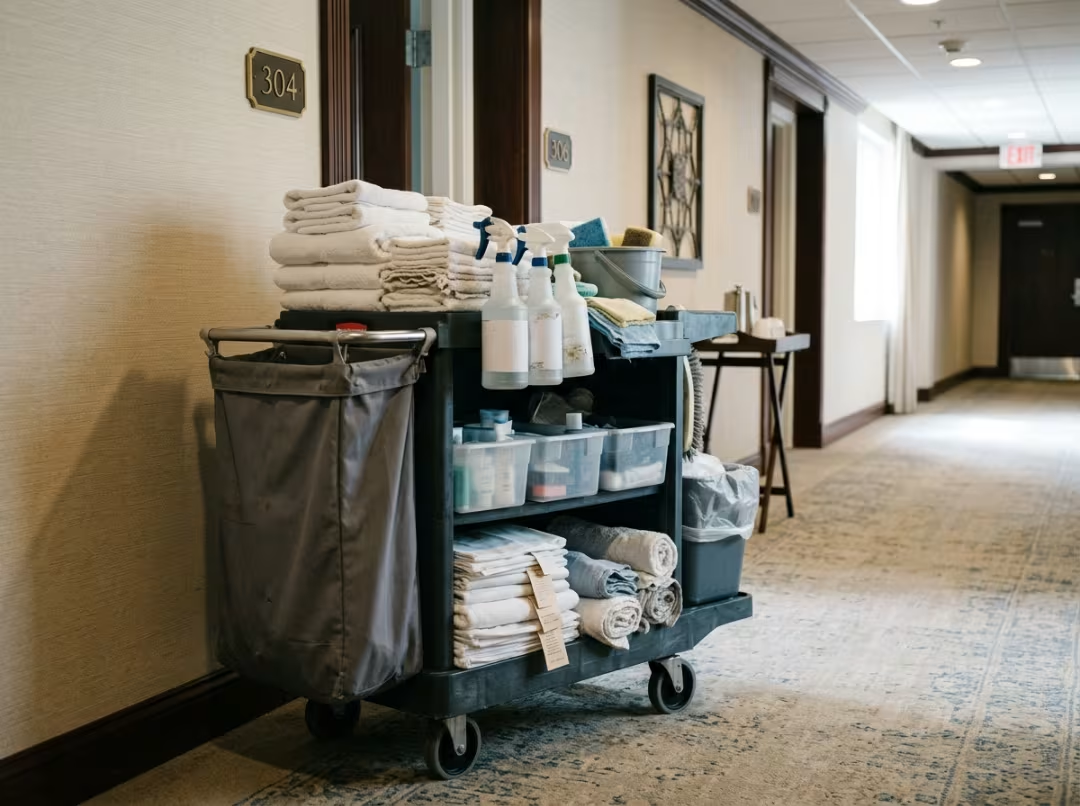
Housekeeping keeps the property clean, safe, and turnaround-ready.
- Cleaning chemicals, mops, buckets, and cloths
- Laundry supplies and trash liners
- Room-attendant carts
Food & Beverage OS&E
F&B OS&E accounts for a large share of guest-facing quality.
- Chinaware, glassware, and flatware
- Table linens, menus, and service trays
- Buffet ware and tabletop items

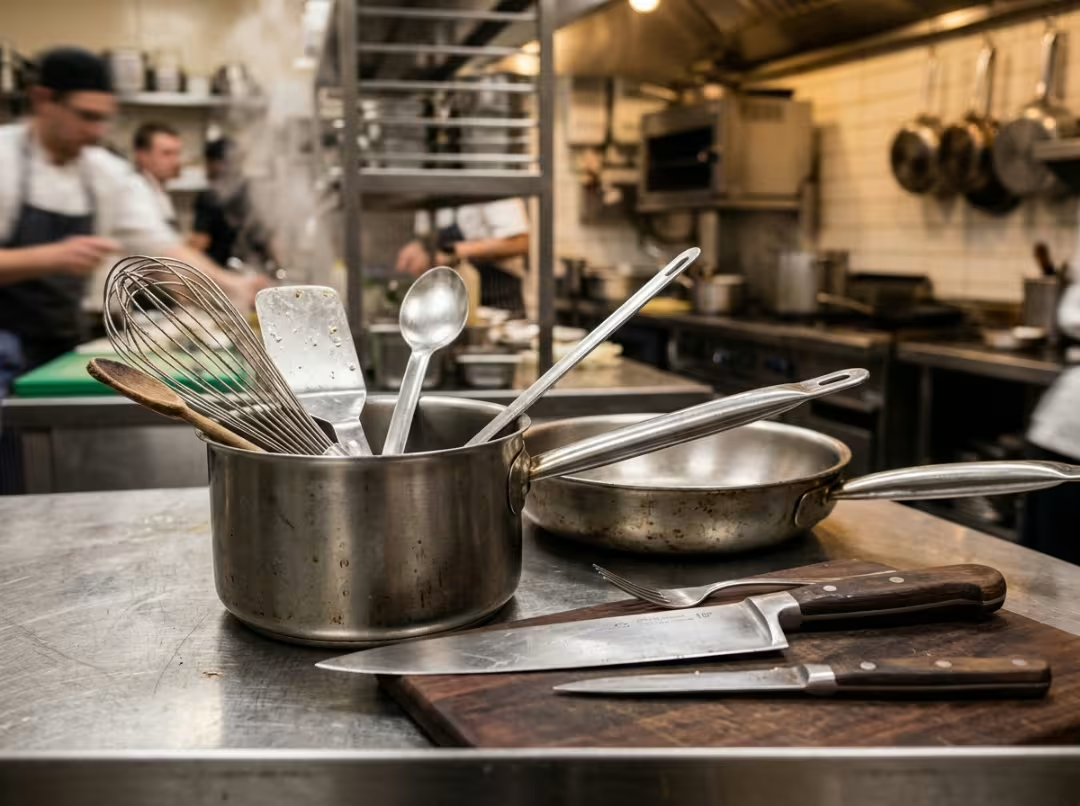
Kitchen Operating Supplies
Back-of-house cooking depends on a full, reliable kit.
- Pots, pans, and chef’s knives
- Mixing bowls, utensils, and storage containers
- Sheet pans and general smallwares
Front Office Supplies
The front desk needs its own steady stock of consumables.
- Stationery, key cards, and welcome folders
- Luggage tags and guest directories
- Printer supplies
Back-of-House Items
These support items keep operations flowing behind the scenes.
- Storage bins and shelving accessories
- Uniforms and safety supplies
- General operating consumables
Quick takeaway: Build your OS&E list department by department so nothing gets missed before opening day.
Why OS&E Matters for Hotel Operations
OS&E isn’t a background detail. It touches guest experience, daily flow, and your bottom line. Here are five reasons it deserves real attention.
- Daily operations: The property simply can’t run without stocked OS&E. Run out of clean towels or plates, and service stops.
- Guest experience: Quality linens, tableware, and amenities shape how guests perceive your brand, often more than the furniture does.
- Opening readiness: OS&E must be ordered, delivered, and in place before a soft opening. Late deliveries push back launch dates.
- Replacement planning: Breakage and wear make OS&E an ongoing cost rather than a one-time purchase. Glasses chip, linens fade, pans wear out.
- Budget control: OS&E affects both your opening budget and your recurring operating expenses, so it deserves a dedicated line all year.
Quick takeaway: Treat OS&E as a living inventory with reorder points, not a one-off opening purchase.
OS&E Procurement and Planning Tips
Knowing what OS&E is only gets you halfway. Buying it well is where budgets are won or lost. Use these tips to plan smarter.
How to Build an OS&E List
Start from your property’s fundamentals: room count, number of outlets, and service standards. Those numbers define your quantities. A 40-room boutique and a 400-room resort need very different volumes, even for the same item.
How to Estimate Quantities (Par Levels)
Use par-level thinking for anything that cycles. Stock enough for what’s in use, what’s in the wash, and what’s held in backup. This “three-par” rule is essential for linens and tableware, where items are always in rotation.
How to Avoid Overbuying
Match orders to real usage and storage space. Overstocking ties up cash and clogs your storerooms. Order to actual consumption rates, then reorder as you learn your true demand over the first few months.
Standardization Across Rooms and Outlets
Standardize items wherever you can. When every room uses the same glass or every outlet the same plate, replacements stay simple, consistent, and easy to reorder in bulk. It also keeps your look uniform across the property.
Working with Hospitality Suppliers
Choose suppliers who can restock reliably. For OS&E, consistent availability and stable pricing matter as much as the initial quote, because you’ll reorder these items again and again. A supplier who runs short mid-season becomes a real operational risk.
Quick takeaway: Set par levels first, standardize your items, then pick a supplier who can keep those items in stock.
Frequently Asked Questions
What does OS&E stand for?
OS&E stands for Operating Supplies and Equipment. In hospitality, it refers to the movable, frequently replaced items a hotel or restaurant needs to operate daily, such as linens, tableware, toiletries, cleaning products, and smallwares. It sits on the operating expense side of the budget.
Is linen part of OS&E?
Yes. Bed linens, towels, and table linens are classic OS&E items. They’re movable, used constantly, and replaced on a regular cycle as they wear, stain, or fade. Because linens rotate through use, wash, and backup, most hotels stock several pars of each.
What is the difference between OS&E and FF&E?
FF&E means Furniture, Fixtures, and Equipment: fixed, long-life assets like beds, desks, and lighting. OS&E means Operating Supplies and Equipment: movable, frequently replaced items like glassware and toiletries. FF&E is a capital expense, while OS&E is a recurring operating expense.
Is OS&E a capital expense or an operating expense?
OS&E is generally treated as an operating expense (OpEx). Because these items are consumed and replaced regularly, they’re accounted for as ongoing running costs rather than one-time capital investments. FF&E, by contrast, is usually capitalized as a longer-term asset on the property’s books.
What are examples of hotel OS&E?
Hotel OS&E includes guest room supplies such as towels and toiletries; housekeeping items such as cleaning chemicals and carts; F&B items such as chinaware and glassware; kitchen smallwares such as pots and knives; and front office supplies such as key cards and stationery.
When should OS&E be ordered before a hotel opening?
Order OS&E well ahead of your soft opening, typically several months out, once room counts and service standards are locked. Lead times, shipping delays, and large quantities all take time. Everything must be delivered, inspected, and in place before you welcome your first guests.
Who is responsible for OS&E procurement in a hotel?
OS&E procurement usually falls to the procurement manager or purchasing team, often working with department heads and the pre-opening team. Housekeeping, F&B, and kitchen leaders provide specifications and quantities, while procurement handles sourcing, pricing, supplier selection, and ongoing reorders.
Conclusion
The OS&E meaning comes down to this: Operating Supplies and Equipment are the movable, frequently replaced items that keep a hotel running, distinct from the fixed, long-life assets that make up FF&E. Get the definition right, sort your items by category, and plan quantities with par levels in mind.
Understanding OS&E helps you budget accurately, open on time, and deliver a consistent guest experience every day. Ready for the next step? Build your OS&E checklist, department by department, then match it to a supplier who can reliably keep those items in stock.