

The difference between fine dining and casual dining comes down to experience, formality, and price. Fine dining focuses on refined food, formal service, and an elevated atmosphere at a higher price point, while casual dining offers relaxed settings, approachable menus, and affordable meals for everyday guests.
Below, you’ll find a side-by-side comparison table, deep-dive breakdowns of each format, an operator’s view on profitability, and practical guidance on choosing the right restaurant for any occasion.
Fine Dining vs Casual Dining at a Glance
Here’s a quick comparison to help you spot the core distinctions in seconds.
|
Feature |
Fine Dining |
Casual Dining |
|---|---|---|
|
Atmosphere |
Formal, quiet, and carefully curated |
Relaxed, lively, and welcoming |
|
Dress code |
Business casual or formal; jeans and shorts often discouraged |
Come as you are; few restrictions |
|
Service style |
Attentive, tableside, high staff-to-guest ratio |
Friendly and efficient table or buffet service |
|
Menu complexity |
Multi-course, seasonal, chef-driven |
Broad, familiar, crowd-pleasing dishes |
|
Food presentation |
Precise plating and portion control |
Generous, straightforward servings |
|
Price range |
High average check |
Moderate, budget-friendly |
|
Reservations |
Usually expected |
Walk-ins welcome |
|
Ideal occasions |
Celebrations, business dinners, special nights |
Family meals, casual outings, quick socials |
|
Target audience |
Guests seeking a premium experience |
Everyday diners and groups of all sizes |
Read each row as a spectrum. Some restaurants blend both styles, but these traits mark where each format usually lands.
What Is Fine Dining?
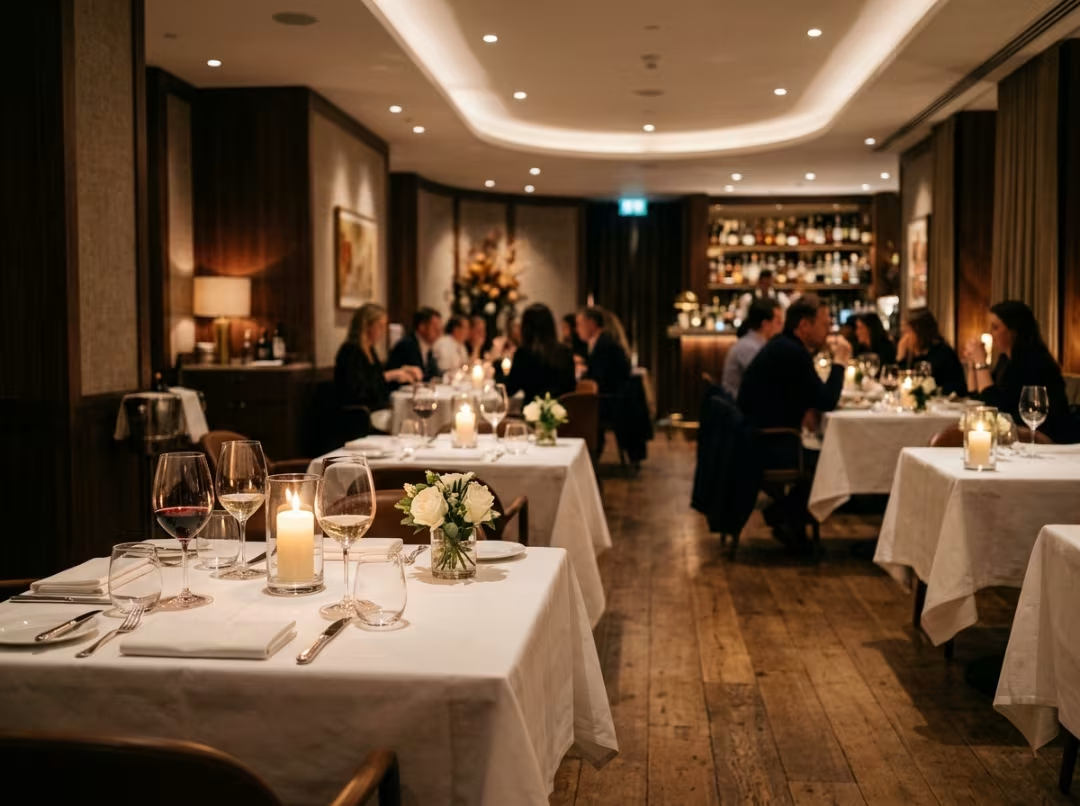
Fine dining is a formal restaurant experience built around exceptional food, polished service, and a controlled atmosphere. It sits at the top of the restaurant landscape, above fast-casual and casual dining.
You’ll typically find multi-course menus prepared by trained chefs, curated wine or beverage pairings, and staff who follow strict service etiquette. Tables are spaced for privacy, lighting is soft, and the pace of the meal is slow and intentional.
Every detail, from the plating to the background music, works together to create a memorable, immersive experience. Guests come here for the occasion as much as the meal itself.
What Is Casual Dining?
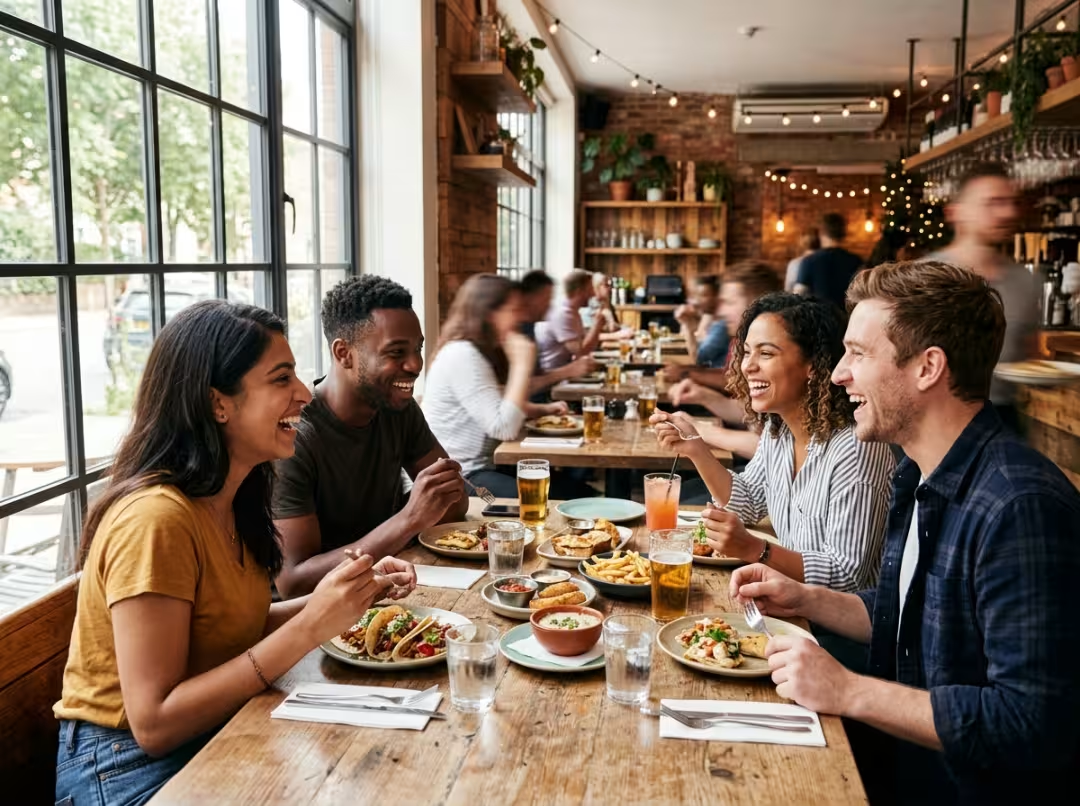
Casual dining is a relaxed, affordable restaurant format that sits between fast food and fine dining. It prioritizes comfort, convenience, and value over formality.
These restaurants offer broad, familiar menus with dishes that appeal to a wide range of diners. Service is warm and quick, whether at the table or through a buffet. Decor ranges from cozy to energetic, and walk-ins are almost always welcome.
Casual dining suits daily life. It’s where families gather, friends meet after work, and diners enjoy a satisfying meal without the pressure of a dress code or big budget.
Key Differences Between Fine Dining and Casual Dining
The difference between fine dining and casual dining shows up across several areas. Let’s break down each one.
Ambiance & Interior Design
Fine dining engineers a mood. Soft lighting, generous spacing between tables, hushed sound levels, and premium materials all create a sense of exclusivity.
Casual dining prioritizes comfort and energy. Brighter lighting, closer seating, and lively acoustics keep the vibe warm and social. The goal is to feel at ease, not impressed.
Service & Staff Training
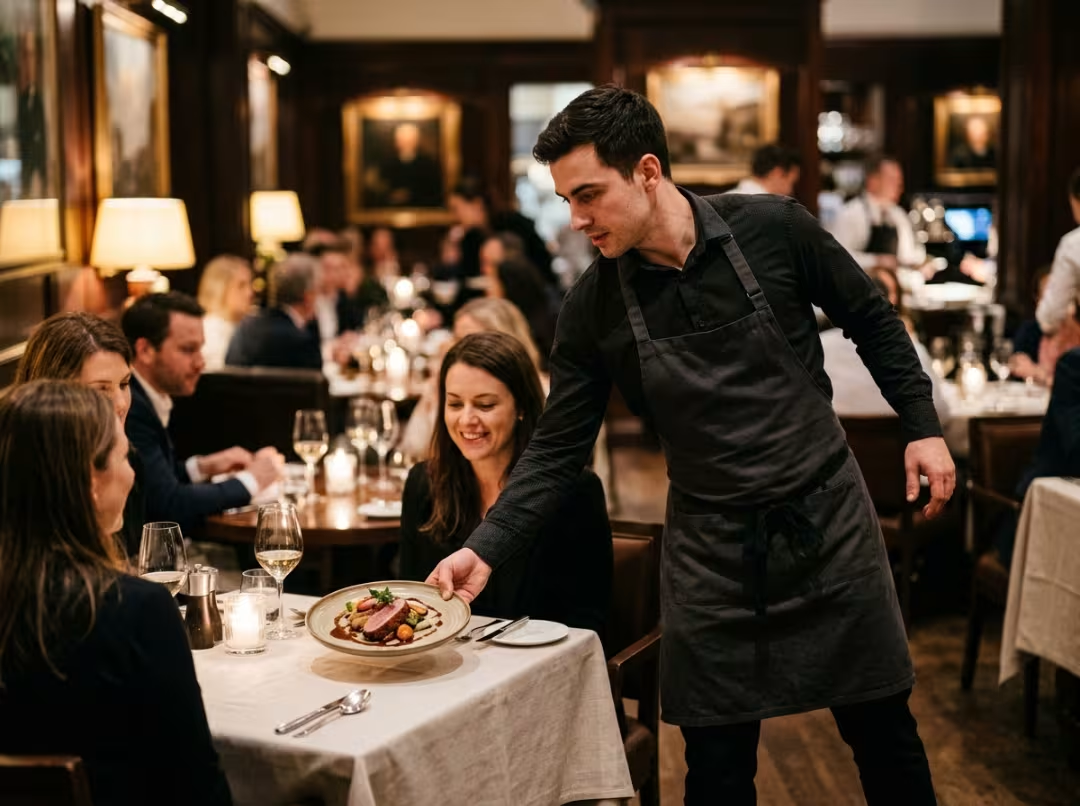
Fine dining relies on highly trained teams. Sommeliers, tableside preparation, formal etiquette, and a high staff-to-guest ratio ensure every request is anticipated.
Casual dining staff is friendly and efficient, with lighter training requirements. Service moves quickly to keep tables flowing and guests happy without the formality.
Menu & Ingredient Quality
Fine dining menus feature seasonal, premium, and specialty ingredients. They tend to be smaller and change often, reflecting what’s fresh and what the chef wants to showcase.
Casual dining menus are larger and more consistent. They lean on familiar, crowd-friendly dishes that stay on the menu year-round so guests always know what to expect.
Food Presentation & Plating
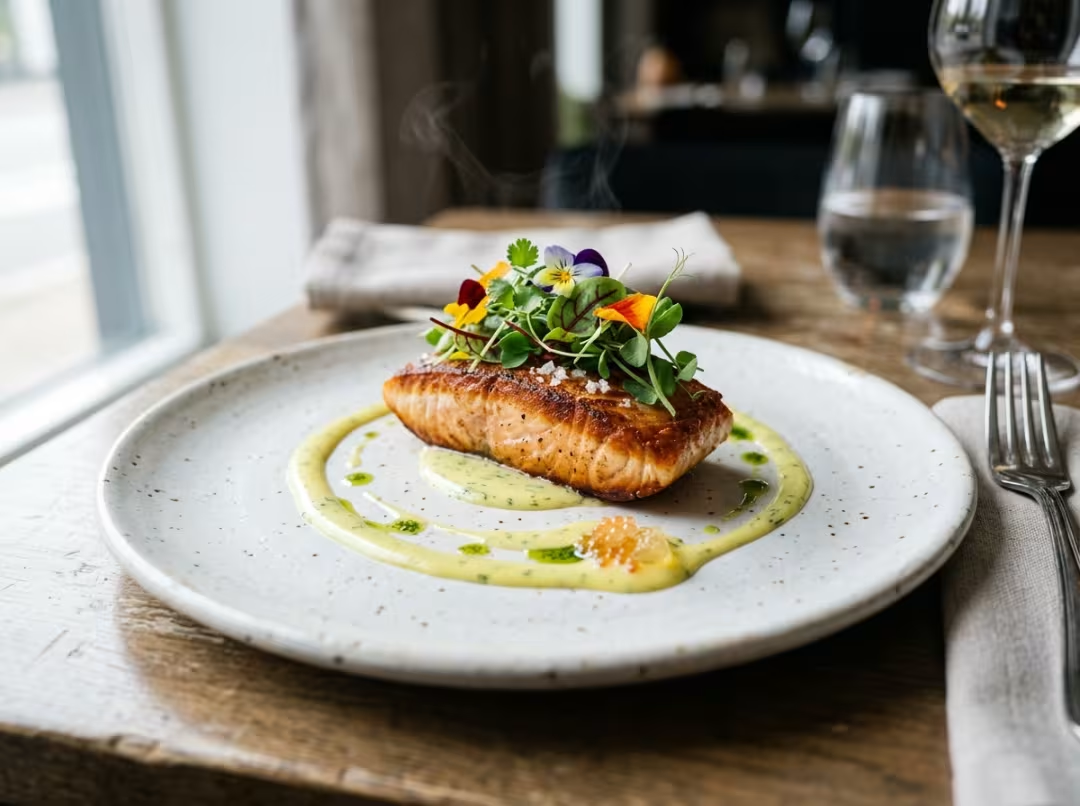
Presentation is an art form in fine dining. Chefs use precise plating, controlled portions, and creative styling to make each dish visually striking.
Casual dining keeps plating simple and generous. The focus is on hearty, satisfying portions rather than fine detail.
Pricing & Average Check Size
Fine dining carries a high average check. Premium ingredients, skilled labor, elevated ambiance, and prime locations all drive the price up.
Casual dining offers a moderate, budget-friendly check. Efficient operations and volume keep costs approachable for regular guests.
Guest Expectations
Fine dining guests expect a slow, immersive meal. They come prepared to dress up, linger, and savor an experience that engages all the senses.
Casual dining guests expect comfort and speed. They want a good meal, a relaxed setting, and no rules about what to wear.
Table Turnover & Reservations
Fine dining serves fewer covers per night. Meals run long, reservations are usually expected, and each table is a slow, high-value experience.
Casual dining thrives on faster turnover. Walk-ins are welcome, meals move quickly, and the model depends on serving more guests throughout the day.
The Operator’s Perspective: Business & Profitability
The two formats demand very different business strategies.
Fine dining costs more to run. Skilled chefs and servers command higher wages, premium sourcing raises food costs, and slow table turnover limits how many guests you can serve each night. Profit comes from a high margin per cover, not volume.
Casual dining scales more easily. Simpler menus, standardized recipes, and lighter training make it a natural fit for chains and franchises. Faster turnover means more covers, so profit comes from steady volume rather than a big check.
The operational demands differ across the board:
- Staffing: Fine dining needs specialists and tight coordination; casual dining needs a flexible, efficient team.
- Inventory: Fine dining manages perishable, high-cost ingredients carefully; casual dining relies on consistent, predictable stock.
- Guest experience: Fine dining sells an event; casual dining sells reliability and comfort.
Neither model is automatically more profitable. Success depends on execution, location, and how well the concept matches its market.
How to Choose Between Fine Dining and Casual Dining
The right choice depends on the occasion. Here’s how to match the format to the moment.
- Date night: Fine dining sets a romantic, memorable tone for milestone dates. A cozy casual spot works better for relaxed, low-pressure evenings.
- Business dinner: Match the formality to the goal. Fine dining signals importance for high-stakes meetings, while casual dining suits friendly, informal catch-ups.
- Family meals: Casual dining usually wins. It’s kid-friendly, comfortable, and easy on the budget.
- Celebrations: Birthdays, anniversaries, and big wins often call for the elevated experience of fine dining.
- Quick social meals: Casual dining’s speed and flexibility make it ideal for catching up with friends without a reservation.
Quick Decision Checklist
Before you book, ask yourself:
- Budget: How much do you want to spend per person?
- Occasion: Is this a special event or an everyday meal?
- Dress comfort: Do you want to dress up or stay casual?
- Time available: Can you settle in for hours, or do you need something quick?
Answer these four questions, and the right format will be clear.
Frequently Asked Questions
Is fine dining always more expensive than casual dining?
Usually, yes. Fine dining carries higher prices due to premium ingredients, skilled staff, and elevated ambiance. However, some upscale casual restaurants can approach fine-dining prices, and a few fine-dining spots offer more affordable lunch menus or set-price options.
Is fine dining always more profitable for owners?
Not necessarily. Fine dining earns a high margin per guest but serves fewer covers and carries high costs. Casual dining profits from volume and easier scaling. Profitability depends on execution, location, and market fit rather than the format alone.
Can a casual dining restaurant still feel premium?
Absolutely. Many casual restaurants elevate the experience with quality ingredients, thoughtful design, and attentive service. This “casual fine dining” blend delivers a premium feel while keeping the relaxed atmosphere and approachable pricing that guests love.
What does “smart casual” mean for dining?
Smart casual means neat, put-together clothing that stays comfortable without being formal. Think clean trousers, a collared shirt, a blouse, or a simple dress. It avoids gym wear, flip-flops, and torn jeans, striking a balance between relaxed and refined.
Do you always need a reservation for fine dining?
Most fine-dining restaurants accept reservations because they serve a limited number of covers and plan service carefully. Booking ahead secures your table and helps the kitchen prepare. Some spots accept walk-ins during quieter hours, but reserving is always the safer choice.
Which is better for families, fine dining or casual dining?
Casual dining is generally better for families. It’s kid-friendly, budget-conscious, and relaxed, with menus that please all ages. Fine dining suits older families or special milestones but can feel restrictive for young children due to formality and pacing.
What sits between casual and fine dining?
Fast-casual and casual fine dining bridge the gap. Fast-casual offers quality food with counter service and no table waiting. Casual fine dining pairs elevated cuisine and professional service with a relaxed, intimate atmosphere, giving guests the best of both worlds.
Conclusion
The difference between fine dining and casual dining ultimately reflects two distinct approaches to eating out. Fine dining delivers elegance, refined service, and a memorable experience at a premium price, while casual dining offers comfort, value, and everyday convenience.
Neither is better in every situation. The right choice depends on your occasion, budget, and the experience you’re after. Whether you’re planning a milestone celebration or a relaxed meal with friends, knowing how these formats differ helps you pick the perfect table every time.