

The lobby is the first space a guest walks into and the last one they cross on the way out. In those few seconds, they form an opinion about the entire property, often before they reach the front desk. A lobby that feels confusing, loud, or worn tells guests something about the rooms upstairs, whether it’s true or not.
This guide takes a working approach to hotel lobby design. Instead of a list of pretty ideas, it covers how to think through the space the way an experienced designer or hotel buyer does: start with how guests move, then layer in atmosphere, furniture, and materials, and finally decide where to spend and where to hold back. Every choice, from chair fabric to floor finish, should earn its place.
Here’s what you’ll take away:
- How to map the guest journey before you buy a single piece
- How to layer light, sound, and scent for a full first impression
- How to choose furniture that survives years of real use
- How to use materials and color to set the mood
- Where to splurge and where to save
Map the Guest Journey Before You Pick a Single Chair
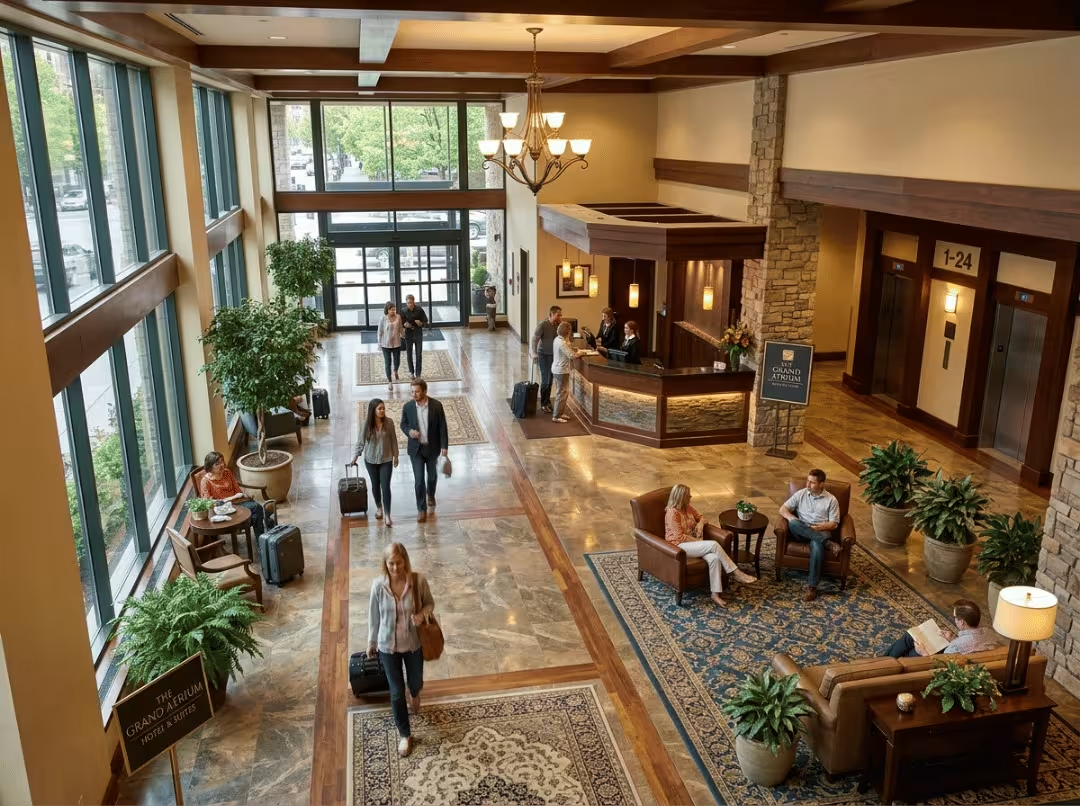
Traffic flow matters more than decoration. Guests arrive tired, carrying bags, and looking for answers. A beautiful lobby that creates confusion feels worse than a plain one that simply works. Before you choose a palette or a light fixture, trace the path a guest takes from the curb to their room.
Walk the arrival sequence in order: curb to front door, door to front desk, desk to elevator or lounge. Each step should feel natural and unobstructed. If a guest has to stop and scan the room to figure out where to go, the layout has already failed.
Make the Front Desk Easy to Find, Not in the Way
Position the front desk so it’s visible within about five seconds of entering, but keep it out of the main footpath. Guests shouldn’t have to dodge bell carts or weave around seating to check in. A desk that’s easy to spot but slightly off the direct line of travel gives arriving guests a clear target without creating a bottleneck at the door.
Carve Zones Without Building Walls
A good lobby serves several kinds of guests at once. Someone wants a quiet corner to read. A group needs open seating to gather. A remote worker needs a small area with outlets. If the floor plan allows, a casual cafe or bar spot rounds it out.
Define these zones with area rugs, lighting changes, and furniture placement rather than walls. Walls close a lobby in and make it feel smaller. Soft boundaries keep the space open while still giving each group its own territory. A large rug under a seating cluster reads as “this is a room” without blocking anyone’s view.
Keep sightlines open across the whole space. From any seat, a guest should be able to spot the elevator bank, the restrooms, and the exit. Clear sightlines reduce the minor anxieties that make a space feel stressful and cut down on questions at the front desk.
One detail that quietly ruins good layouts: luggage. Plan a luggage storage nook or a clear path for carts so bell staff isn’t threading through seating areas with a loaded trolley. When you solve luggage flow early, the rest of the room stays calm.
Layer Light, Sound, and Scent for a Full First Impression
Visual design is only part of the story. A lobby reaches guests through several senses at once, and each one deserves deliberate attention. Get the atmosphere right, and guests relax before they consciously notice why.
Build Lighting in Layers
Start with three layers of light. Ambient light gives the room overall brightness. Task lighting covers the front desk and reading areas where people need to see clearly. Accent lighting highlights art, plants, or architectural details and adds depth.
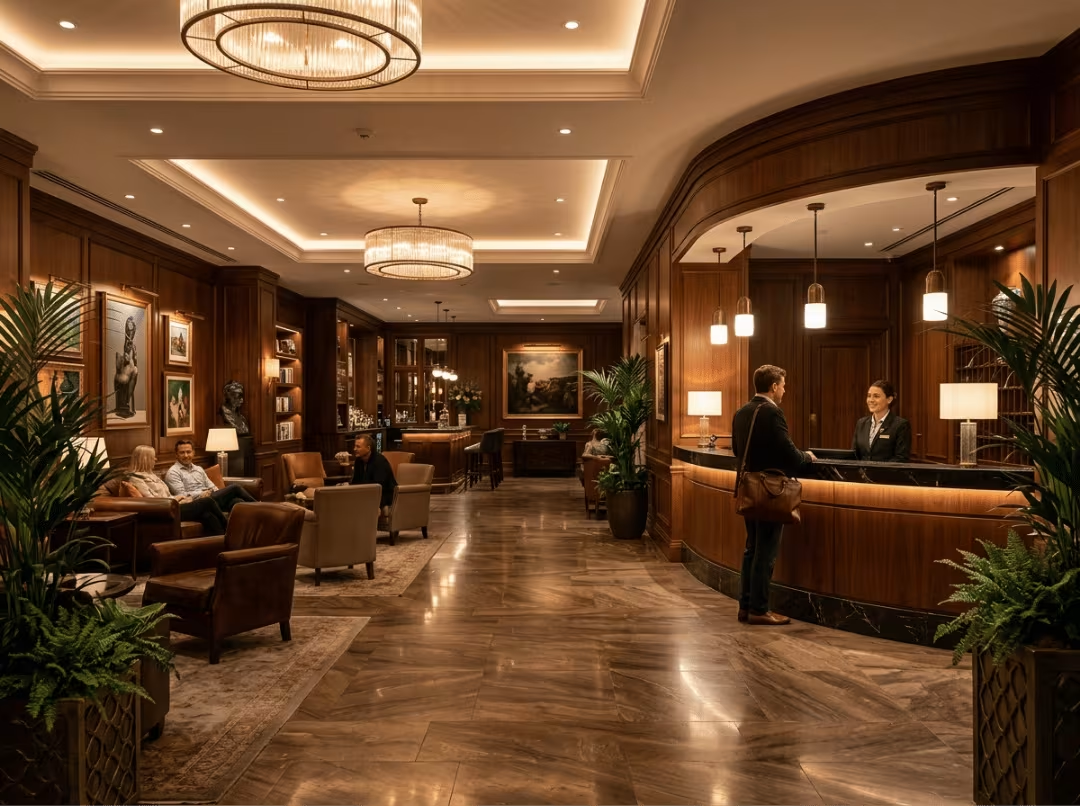
Put those layers on dimmers and programmable scenes. The lobby can then shift from bright and efficient in the morning to warm and intimate in the evening without anyone swapping a fixture. This is where design meets operations: a single control system lets one night manager reset the mood in seconds.
Control daylight too. Harsh glare kills the mood and makes screens hard to read at the desk. Sheer curtains, motorized shades, or tinted glass keep natural light flattering instead of blinding. And choose fixtures that read as design features rather than just utilities. A sculptural chandelier, oversized pendants, or warm wall sconces do double duty as decor and function. Lighting is one of those premium hotel features that guests register instantly, even when they can’t name what they’re reacting to.
Address Acoustics Before They Become a Problem
Hard floors and tall ceilings bounce noise everywhere, and a loud lobby feels cheap no matter how good it looks. Plan for sound early. Acoustic panels, upholstered furniture, heavy curtains, and a large area rug all absorb noise and soften the room. It’s far easier to build this in during design than to fix a shouting-loud lobby after opening.
Use Scent and Sound With a Light Hand
A subtle scent program can tie a lobby to a brand, but keep it light. The goal is a pleasant memory, not a walk past a perfume counter. Overdone scent drives away as many guests as it charms.
Music works the same way. Choose a curated playlist that fits the property’s personality, and keep the volume below conversation level so guests can talk without raising their voices. When people have to lean in and shout, they leave the lobby sooner.
Choose Furniture That Looks Great and Survives Years of Real Use
Lobby furniture takes a beating: wet umbrellas, spilled coffee, rolling suitcases, kids climbing on the sofas. Style matters, but durability is the real deciding factor. A gorgeous chair that looks tired within a year is a bad purchase, full stop.
Specify Commercial-Grade, Not Residential
Residential furniture looks great in a showroom and wears out fast under hotel traffic. Specify commercial-grade fabrics with high rub counts (double rubs) and stain-resistant finishes. This is the difference between reupholstering in five years versus fifteen. Lobby seating is a core part of your hotel FF&E, so evaluate it on lifespan and total cost, not just the price tag or the look.
Mix Seating for Different Needs
No single chair suits everyone. Offer a range:
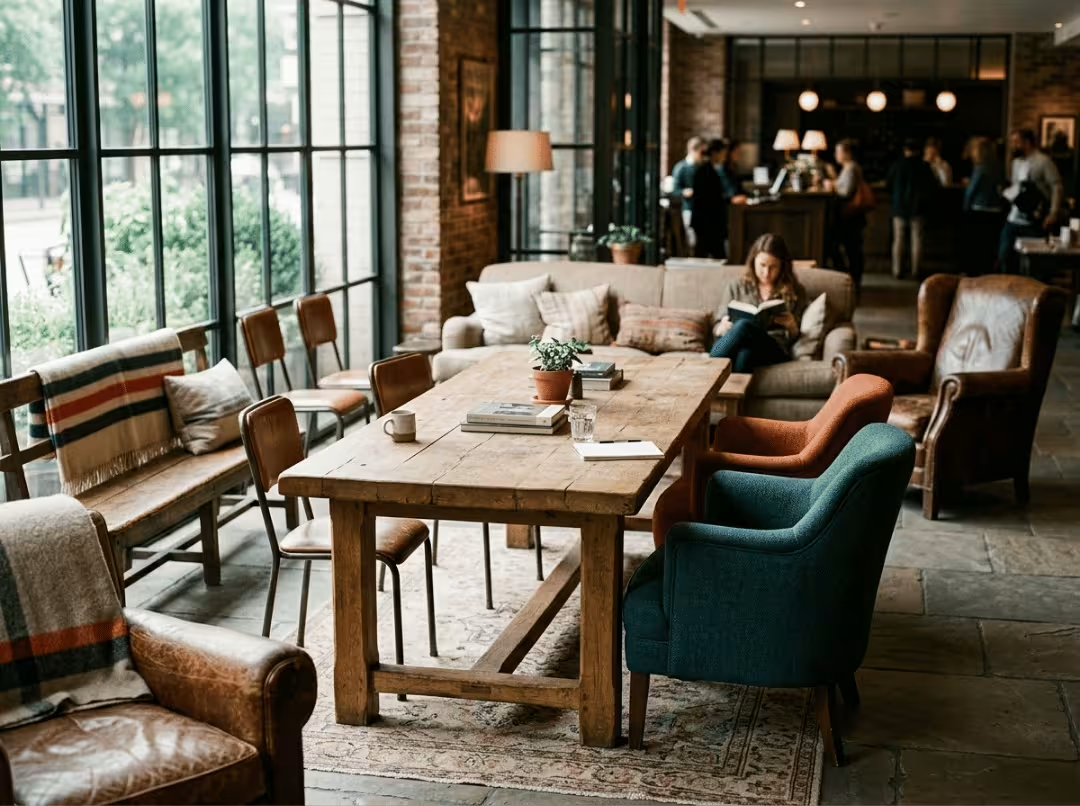
- Deep armchairs for guests who want to lounge and wait
- Upright chairs for working, eating, or a quick meeting
- Benches for short stops and luggage-side sitting
- Sofas for groups and families
Include at least one large communal table. It handles casual meetings, remote work, and late-night snacks, and it gives the lobby a social anchor that draws people in.
Plan for Movement, Power, and Wear
Choose some pieces on casters or lightweight frames so staff can reconfigure the room for events, holiday setups, or a busy checkout morning. A flexible lobby earns its footprint many times over.
Add side tables or consoles near every seat. Guests need somewhere to set a coffee, a phone, or a book without juggling. And build power into every seating cluster, including USB-C ports. A lobby that can’t charge a phone feels dated no matter how sharp the decor. If you’re sourcing seating and casegoods, browse durable hotel furniture built for commercial use rather than adapting residential pieces.
Match fabric to traffic. In high-traffic paths, choose darker or patterned upholstery that hides everyday wear. In quiet corners, lighter colors stay clean longer and keep the space feeling fresh.
Use Materials, Color, and Texture to Shape the Mood
Materials do more than look good. Within seconds, they tell guests whether the hotel is modern, classic, rustic, or luxurious. That message lands before anyone reads a sign or meets a staff member.
Anchor With One or Two Hero Materials
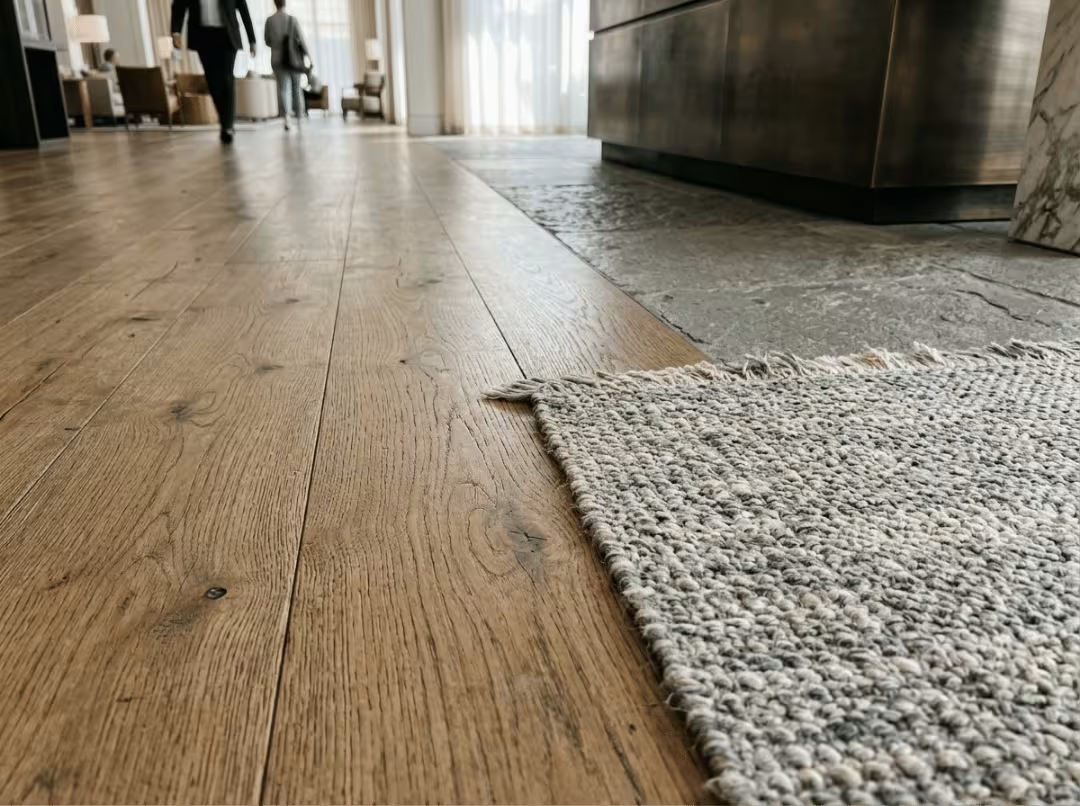
Pick one or two hero materials and let them lead: a stone feature wall, wide-plank oak flooring, or a dramatic metal railing. Keep the rest of the palette calm around them. When everything competes for attention, nothing stands out, and the room reads as busy rather than designed.
Then layer textures so the space doesn’t feel flat. Smooth leather against rough linen. Polished concrete under a soft wool rug. Brushed brass beside matte wood. Contrast in texture adds richness to a neutral room without adding a single loud color.
Keep the Base Neutral, Save Color for Accents
Match the color palette to your brand, but keep the largest surfaces neutral. Save bold color for pillows, art, and accents you can swap cheaply later. Warm neutrals create a welcoming feel; cool grays and blues read sleek and modern. Either direction works, as long as you maintain a consistent palette throughout the space.
Neutral bases also age better. When trends shift, you refresh a few accents instead of gutting the room. Rotating seasonal touches like throw pillows, vases, or fresh arrangements keeps the lobby current without a redesign.
Choose Flooring for the Realities of an Entry
The entry sees wet shoes, rolling luggage, and heavy carts every day. Avoid glossy floor finishes near entrances and wet areas. A matte or honed surface looks better over time, feels safer underfoot, and hides scuffs. Porcelain tile, engineered hardwood, and high-grade carpet tile all perform well under this kind of punishment. Choosing the wrong entry floor is one of the most expensive mistakes to fix later, so weigh maintenance and slip resistance alongside appearance.
Bring in plants to soften all the hard surfaces. Large potted trees, a living wall, or a simple arrangement on the desk add life and improve the air. Just plan for who waters them, because withering greenery does more harm than none at all.
Know Where to Splurge and Where to Save
Lobby budgets are never unlimited. Strong design comes from spending on what creates real impact and pulling back on what guests barely register. Here’s a framework that holds up across property types.
Spend on lighting, flooring, and the front desk. These are the first things guests see and use, and they set the quality bar for the whole hotel. Cheap lighting or a worn floor undercuts everything else in the room.
Invest in good seating. Guests sit in lobbies for real stretches of time. An uncomfortable or shabby chair quietly signals that the hotel cuts corners, and that impression follows them upstairs.
Save on decorative accents. Pillows, vases, and wall art are easy and cheap to update, so they don’t need a big budget. Rotate them to keep the space feeling fresh, rather than buying expensive permanent pieces.
Skip the gimmicks. Oversized water features and novelty installations are expensive to build and maintain, and they date quickly. Only commit to a statement piece if the brand genuinely calls for it.
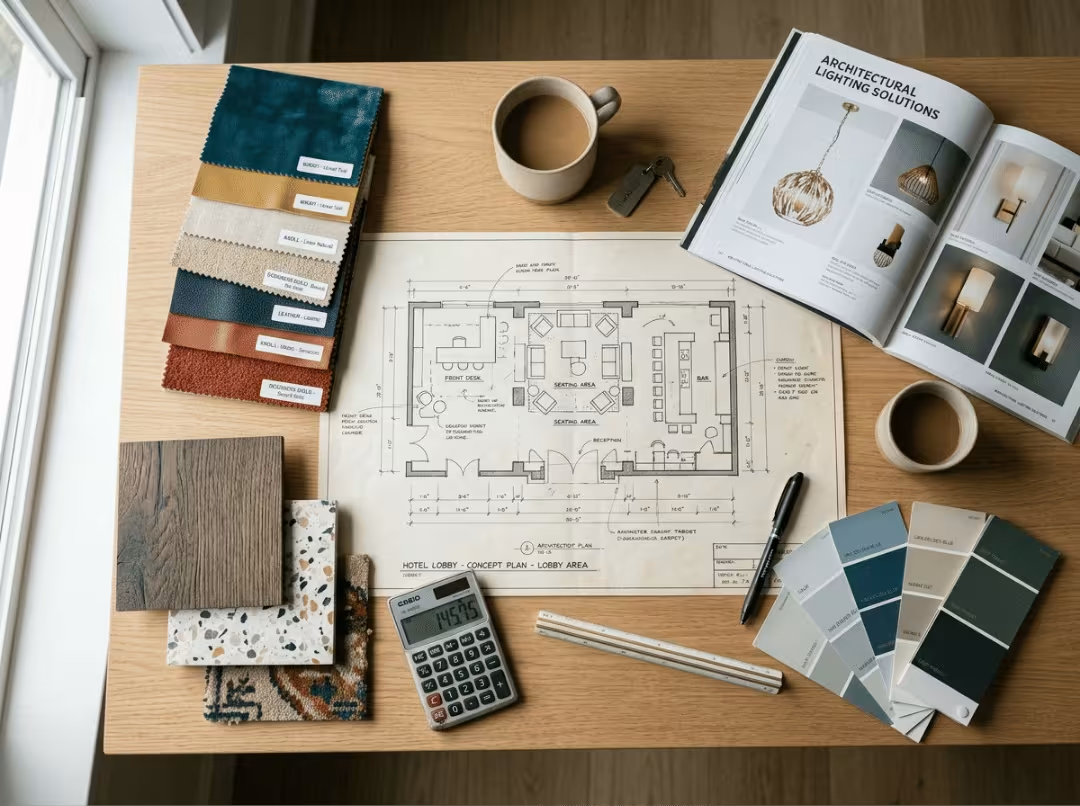
If the full budget isn’t there, phase the work. Start with the highest-impact, lowest-cost moves, usually lighting and paint, then add furniture, then art and accents over time. A phased plan lets you improve the guest experience immediately, rather than waiting years for one big reveal. When you’re comparing vendors for the bigger-ticket items, it helps to know your options; this guide to hotel amenities suppliers and manufacturers breaks down picks by hotel type.
Frequently Asked Questions
How much should a hotel budget for a lobby redesign?
It varies widely by size and tier, so budget by priority rather than a fixed figure. Put the largest share into lighting, flooring, and the front desk, then seating, then accents. A phased plan lets you spread the cost across seasons while still improving the space right away.
What are the most durable upholstery fabrics for a hotel lobby?
Look for commercial-grade fabrics with a high double-rub count and a stain-resistant finish. Tightly woven synthetics and performance textiles hold up best against spills and constant use. In high-traffic zones, darker or patterned fabrics hide wear far longer than solid light colors.
How can a small hotel lobby feel more spacious?
Keep sightlines open, skip interior walls, and use rugs and lighting to define zones instead. Mirrors, a neutral palette, and furniture that doesn’t block the path to the desk all make a compact lobby feel larger than it is.
Should the lobby match the guest rooms?
It should share the same design language, not copy it exactly. Use a consistent palette, materials, and level of quality so the experience feels cohesive as guests move from the lobby to the room. The lobby can be a bit bolder since it’s a shared, public space.
What flooring works best at a lobby entrance?
Choose a matte or honed surface that handles wet shoes and rolling luggage without showing every mark. Porcelain tile, engineered hardwood, and high-grade carpet tile all perform well. Avoid glossy finishes near the entry, where they get slippery and scuff quickly.
How do you keep lobby furniture looking new under heavy traffic?
Start with commercial-grade construction and removable, washable cushion covers. Rotate pieces between high- and low-traffic spots to even out wear, and buy from manufacturers that sell replacement parts so one torn cushion doesn’t retire a whole chair.
How can a hotel make its lobby more welcoming without a full renovation?
Begin with lighting and paint, the two changes that shift the mood most for the least money. Add a warm layered lighting scheme, refresh the accents, bring in a few plants, and rearrange seating into clear, comfortable zones.
How do hotels balance modern design with comfort?
Keep clean, modern lines in the architecture and hard finishes, then soften the space with genuinely comfortable seating, layered lighting, and warm textures. Modern doesn’t have to mean stiff; the comfort comes from how the room feels to sit in, not from ornament.
Bringing It All Together
A memorable lobby is never the product of one dramatic centerpiece. It comes from dozens of small, deliberate decisions working as a single system: a clear arrival path, seating that takes real wear, lighting that shifts with the hour, and materials that tell guests exactly where they are.
Work in order. Start with the guest journey, since flow shapes every other choice. Anchor the room with hero materials and layered light. Then build furniture, atmosphere, and accents around those decisions, spending where guests notice and saving where they don’t.
Design a lobby this way, and it holds up on both fronts. It impresses guests on opening day, and it still works, still looks intentional, and still functions smoothly years later, long after the first impression that started it all.