
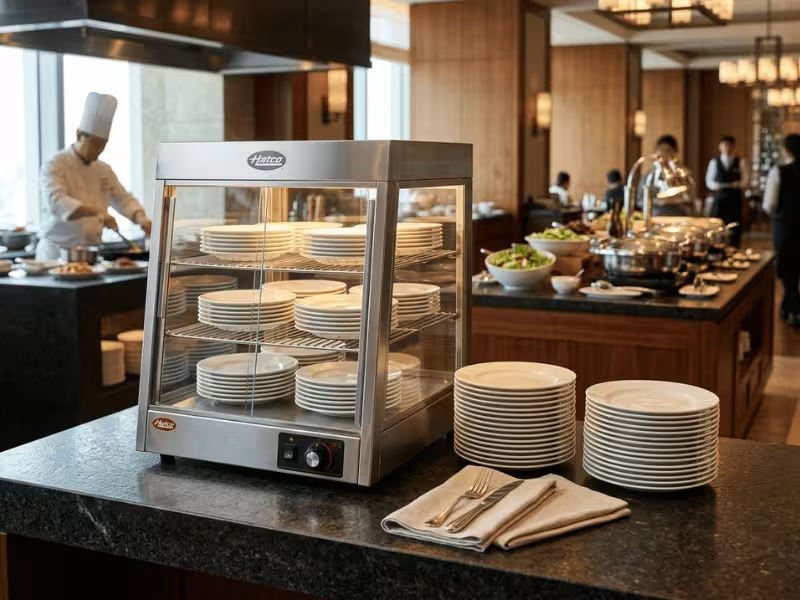
Many people spend time cooking hot food, then lose part of that effort the moment they set it on a cold plate. The temperature drops fast. It becomes even more obvious during family dinners, holiday meals, buffet service, or restaurant plating.
A plate warmer solves that problem in a simple way. It keeps plates warm before serving, so food stays at a better eating temperature for longer. That matters more than many people think, especially for steak, pasta, eggs, sauces, and other dishes that cool down quickly.
In this guide, I’ll explain what a plate warmer actually does, who really needs one, the main types on the market, and how to choose the right model for your space and serving style. I’ll also show where people often go wrong, so you can avoid buying the wrong unit or using it the wrong way.
Why Plate Temperature Matters More Than Most People Think
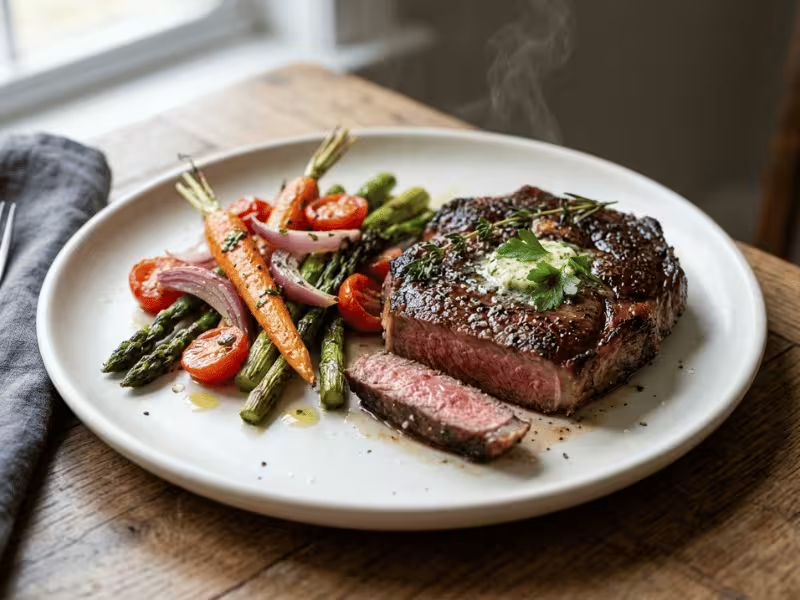
Hot food cools faster than people expect. A plate straight from the cupboard sits at room temperature, sometimes cooler. The moment your food touches it, that cold surface starts pulling heat away. Within two or three minutes, a steaming dish can drop below the temperature that makes it taste good.
Some foods suffer more than others. Steak turns from juicy to greasy as the fat firms up. Sauces thicken, split, or form a skin. Pasta and mashed potatoes go from silky to sticky. Eggs lose that soft, tender feel almost instantly. These are the dishes where a cold plate does the most damage.
The problem grows worse when you serve more people. Cooking for one? You eat while it’s hot. Plating six meals at once tells a different story. The first plate leaves the kitchen warm. By the time the last one goes down, it has already started to cool.
Picture a dinner party for six. You plate the roast, the vegetables, the potatoes. You carry them out two at a time. The guests served first cut into hot, tender meat. The guests served last get food that feels tired and lukewarm, even though it all left the pan together.
Buffets and restaurant service face this every single day. Plates sit stacked, food waits under lights, and diners help themselves at different times. Cold plates speed up every bit of that heat loss.
This is where a plate warmer earns its place. It won’t cook your food or fix a bad dish. What it does is simple and powerful: it holds your plates at a gentle warmth, so the food you worked hard to cook stays at its best for longer. It stretches the window where every bite tastes the way you intended.
What a Plate Warmer Actually Does
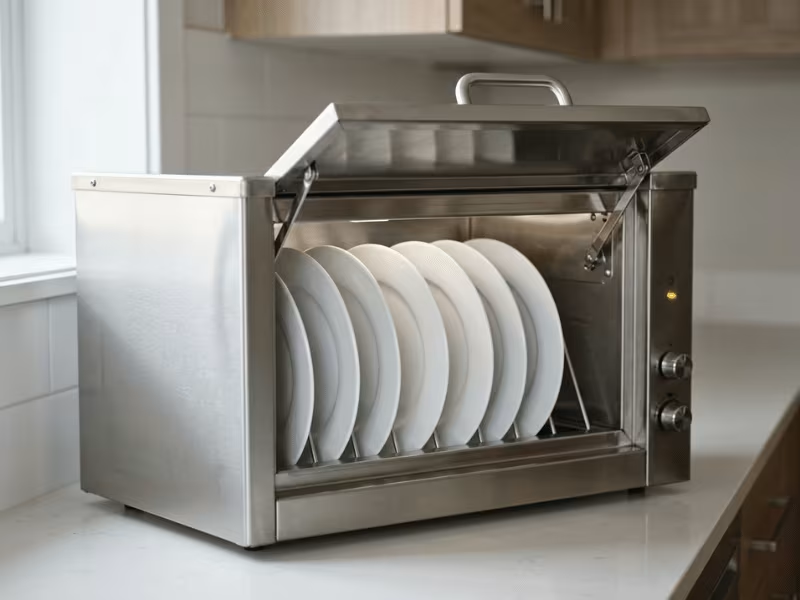
Let’s clear up the biggest misunderstanding first. A plate warmer warms plates. It does not cook food. It won’t finish a dish, hold a casserole, or turn a raw center into a cooked one. Its only job is to bring your plates and serving dishes up to a comfortable warmth before the food lands on them.
Most units run in a gentle range, roughly 100°F to 165°F (38°C to 74°C). That’s warm enough to slow heat loss, but low enough to handle everyday dishware safely. You want plates that feel pleasantly warm to the touch, not scorching hot.
The heat itself stays soft and steady. Some warmers use electric heating elements. Others move warm air gently through a closed drawer or cabinet using convection. A few rely on thermal materials that store heat and release it slowly. All of them share the same idea: even, controlled warmth with no hot spots.
This is where a plate warmer differs from an oven. An oven blasts high, aggressive heat meant for cooking. Set plates in there, and they can grow too hot to hold, crack under thermal shock, or overheat unevenly. A plate warmer skips all that. It holds a steady, low temperature designed for one purpose: getting your plates ready to serve.
Who Really Needs a Plate Warmer?
Not everyone needs a plate warmer. Before you spend money on one, it helps to know where you fit. Here’s how I sort people who ask me.
Home entertainers. If you host dinner parties and plate meals for four to eight people, a plate warmer changes your night. You cook in batches, and cold plates undo that work fast. A countertop unit lets you plate everyone at once, so the last guest served gets food as warm as the first. This group gets the most value for the least money.
Holiday or weekend hosts. Maybe you don’t entertain every week, but Thanksgiving, Christmas, and Sunday roasts fill your table. During those meals, you juggle a dozen dishes and every burner is busy. A plate warmer frees up your oven, which you need for the turkey, not for warming plates. If you host a handful of big meals a year, a compact or storable model pays off. You don’t need a large built-in unit.
Restaurant, hotel, and buffet professionals. For food service, a plate warmer isn’t a nice-to-have. It’s part of the job. Cold plates slow your pass, chill your food before it reaches the table, and drag down guest satisfaction. Busy kitchens burn through stacks of plates during a rush, so you need real capacity and steady heat. Buffet lines and banquet service face the same pressure. Warming cabinets and drawers earn their space here every service.
People who can skip it. Some folks genuinely don’t need one. If you cook for one or two people and eat right away, your food never sits long enough to cool. If you only serve casual meals with no batch plating, a warm plate won’t change much. And if warm plates matter to you twice a year, the oven method works fine.
The honest question isn’t whether plate warmers help. It’s whether they solve a problem you actually have. Count how often you plate for a crowd, cook in batches, or serve food that waits before eating. If that happens regularly, a plate warmer belongs in your kitchen. If it rarely happens, save your money and your counter space.
Plate Warmer vs. Oven vs. Warming Drawer vs. Warming Tray
People often ask me why they can’t just use the oven or a warming tray they already own. Sometimes they can. But each tool solves a slightly different problem, and picking the wrong one wastes money or effort. Here’s how they stack up.
|
Option |
Best For |
Pros |
Limitations |
|---|---|---|---|
|
Plate warmer |
Warming stacks of plates before serving |
Steady low heat, energy-efficient, easy to store |
Warms plates, not serving dishes |
|
Oven |
Occasional warming when you already have it |
No extra purchase, large space |
Slow preheat, high energy use, overheating risk |
|
Warming drawer |
Frequent hosts, premium kitchens, restaurants |
Big capacity, hidden, hands-off |
Costly, needs installation or floor space |
|
Warming tray |
Keeping serving dishes hot at the table |
Great for buffets and family-style meals |
Poor at warming plate stacks |
Plate Warmer vs. Oven
The oven works in a pinch, but I rarely recommend it for regular use. It takes five to fifteen minutes to preheat, and it burns far more energy heating a big empty cavity just for a few plates.
There’s also a safety catch. Ovens run hot, so plates can grow too hot to hold or crack from thermal shock. And while your plates warm, you can’t use that oven for food. During a busy holiday meal, that trade-off hurts.
Plate Warmer vs. Warming Drawer
A warming drawer is essentially a bigger, built-in cousin of the plate warmer. It holds more plates, tucks out of sight, and runs quietly in the background.
The catch is cost and commitment. Drawers need installation or a permanent spot, and they cost far more than a countertop unit. I steer home hosts with occasional needs toward a standalone plate warmer. Premium kitchens and busy restaurants, where plate volume is high every day, get real value from a drawer.
Plate Warmer vs. Warming Tray
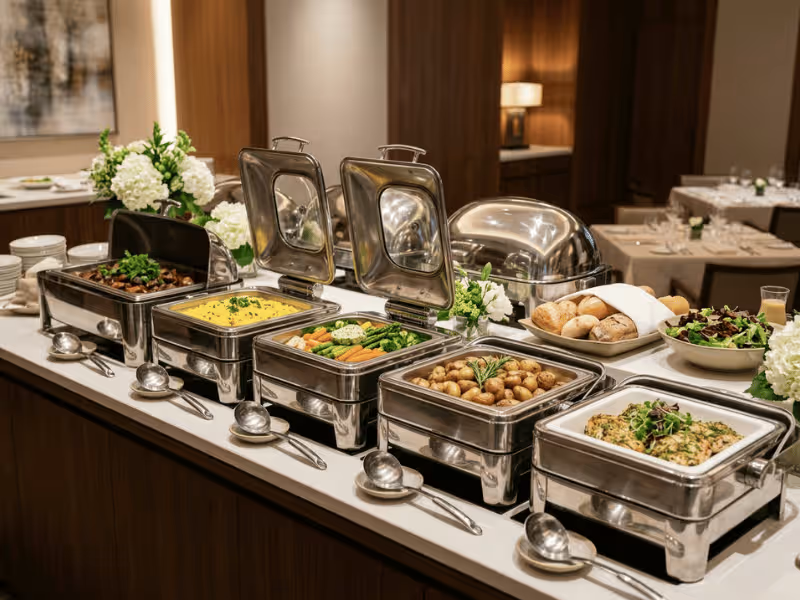
These two look similar but do opposite jobs. A warming tray keeps food warm in serving dishes at the table. Think of a chafing setup, a buffet line, or a family-style spread where the casserole sits out for an hour.
A plate warmer handles the plates themselves. It heats a stack of empty dishes evenly, which a flat tray can’t manage well. If you plate in the kitchen and carry meals out, you want a warmer. If you serve from shared dishes on the table, you want a tray.
Which One Makes Sense for You
Match the tool to how you serve. Warm plates twice a year? The oven is fine. Host dinners often and plate in the kitchen? A countertop plate warmer is the sweet spot. Run a high-volume kitchen or want a seamless built-in look? Go with a warming drawer. Serve buffet or family-style from shared dishes? Add a warming tray.
Many restaurants and buffets use two of these together — a warmer for plates and a tray for the food. In most homes, one plate warmer covers the real need.
The Real Benefits of Using a Plate Warmer
A plate warmer sounds like a small thing. In practice, it fixes problems that show up at almost every meal you serve to a group. Here’s where it earns its keep.
Food Stays Enjoyable Longer
The main job of a warm plate is simple. It slows heat loss, so your food holds its temperature after it leaves the pan.
That matters most when you plate in batches. Cooking for six or eight means some meals wait while you finish the rest. On cold plates, those first dishes cool fast. On warm plates, they stay ready to eat.
Second helpings feel the difference too. Guests often go back for more ten or fifteen minutes into the meal. Warm plates keep that second serving as good as the first, instead of lukewarm and disappointing.
Texture and Presentation Improve
Temperature does more than keep food hot. It protects the way dishes feel and look on the plate.
Sauces are the clearest example. A cold plate makes a warm sauce thicken, form a skin, or split. On a warm plate, that same sauce stays glossy and smooth right up to the last bite. Butter behaves the same way. It melts and glazes instead of turning waxy.
Certain foods live and die by this:
- Steak keeps its juices soft instead of firming into cold fat.
- Eggs stay tender rather than rubbery.
- Fish holds its delicate texture without going flat.
- Pasta and mashed potatoes stay silky instead of sticky and clumped.
These are exactly the dishes people notice. Warm plates give them the extra minutes they need to reach the table at their best.
Service Feels Smoother
Warm plates change the rhythm of a meal, not just the food. This is where I see the biggest payoff in real kitchens.
At home, it means fewer trips to the microwave. You stop reheating plates mid-meal, and you stop rushing everyone to eat before their food goes cold. You plate calmly, carry everything out, and sit down without stress.
In restaurants and buffets, the gains multiply. On the pass, hot plates keep food at temperature between the kitchen and the table. Servers move faster because nothing needs a last-second reheat. On a buffet, plates sit in a stack and diners help themselves at different times. Warm plates slow the cooling that starts the moment food is portioned, so guests who arrive later still get a proper hot meal.
The guest experience shifts too. A warm plate signals care. It’s a small detail most diners can’t name, but they feel it. Food tastes better, the meal feels more finished, and people remember the difference.
That combination — better food, calmer service, happier guests — is why warming plates has been standard practice in professional kitchens for a long time. The same logic works just as well at your own table.
Main Types of Plate Warmers
Once you know you need a plate warmer, the next question is which kind. The market splits into a few clear categories, and each one fits a different kitchen and serving style. Here’s what you’ll actually find when you start shopping.
Countertop Electric Plate Warmers
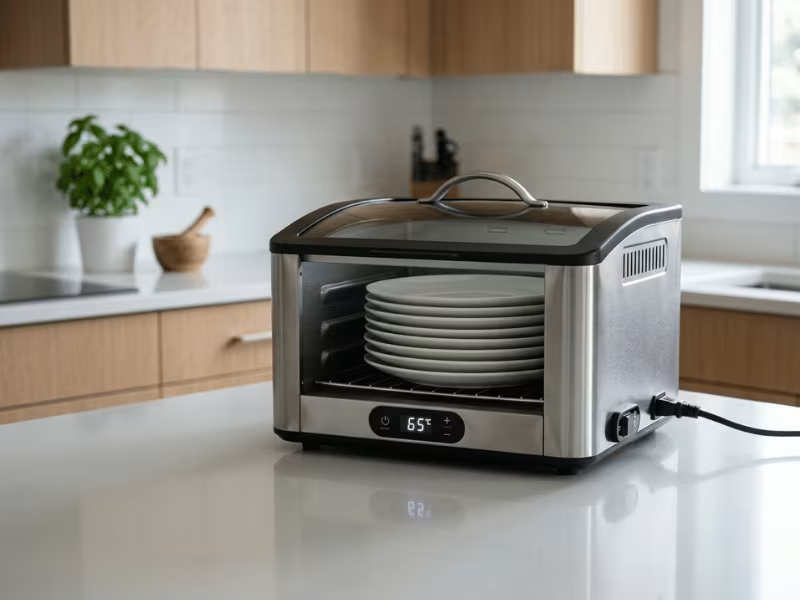
This is the most popular pick for homes, and for good reason. A countertop unit plugs into a standard outlet, sits on your counter, and heats a stack of plates in minutes.
Most models hold six to twelve plates. Better ones include an adjustable thermostat, an indicator light, and slots that keep plates separated for even heating. They take up about the same space as a bread box.
If you host dinners a few times a month, this is your sweet spot. Good value, easy to store, and no installation.
Built-In Warming Drawers
A warming drawer installs directly into your cabinetry or under a range. It disappears into the kitchen and runs quietly out of sight.
The upside is real: large capacity, a clean built-in look, and hands-off operation. You load it, set it, and forget it.
The downside is cost and commitment. Drawers run several times the price of a countertop unit, and they need professional installation and a permanent spot. I point serious home cooks and premium kitchens here — not occasional hosts.
Freestanding Warming Cabinets
Cabinets scale things up. These freestanding units come in sizes from compact rolling models to tall full-height cabinets that hold dozens of plates at once.
They usually offer a wider temperature range and steady, even heat across every shelf. That makes them the workhorse for restaurants, banquet halls, buffets, and busy caterers who plate in high volume. Many pair well with durable stainless steel catering supplies that hold up to the same daily demands.
For a home baker or a host who runs frequent large gatherings, a smaller cabinet bridges the gap between a countertop unit and a full built-in drawer.
Heat-Retaining Plates and Simpler Alternatives
You don’t always need a powered unit. Heat-retaining plates store warmth from a microwave, oven, or a soak in hot water, then hold it through the meal. They cost far less and need no dedicated appliance.
Cordless and rechargeable warmers fill another niche. They suit tiny kitchens, outdoor dining, or spots with no free outlet. Just know the trade-offs: they hold heat for a shorter window and warm fewer plates at a time.
These options won’t match a cabinet for volume. For casual cooks and small households, though, they get the job done without cluttering your counter.
What to Compare Before You Buy
The right plate warmer depends on your kitchen, not on a marketing sheet. I’ve watched people buy the flashiest model, then discover it can’t hold their dinner plates or won’t fit under a cabinet. Run through these six checks before you spend a cent, and you’ll skip that regret.
Capacity and Plate Size
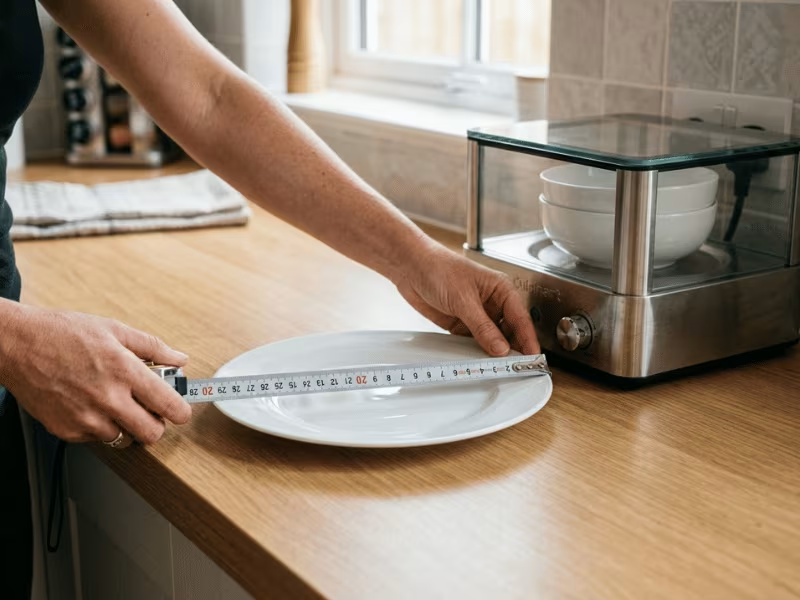
Start with your actual plates. Measure the diameter of your largest dinner plate, then check the warmer’s interior width. Big dinner plates run 11 or 12 inches, and plenty of countertop units top out around 10.
Count how many plates you plate at once. A couple needs room for four. A regular host needs eight to twelve. Buffet and restaurant service needs far more, which pushes you toward a cabinet.
Watch stack height too. Deep bowls and tall dishes eat up clearance fast. If you serve pasta bowls or wide chargers, confirm the slots and shelves fit them, not just flat plates.
Temperature Control
This is where cheap and good models split. A single-setting warmer heats to one fixed temperature and that’s it. It works, but it gives you no room to adjust.
An adjustable thermostat earns its price. You can run a gentle warmth for delicate porcelain, then bump it up for a big holiday spread. Lower settings also protect plates that don’t love high heat.
Fixed-heat units carry another risk. Some run hotter than needed and creep toward overheating, which stresses your dishware. Look for steady, even “keep warm” performance, not a unit that spikes hot then cools.
Space and Installation
Measure your space before you fall for a model. For countertop units, check both the footprint and the depth, since a deep warmer can crowd the space behind your counter. Leave room to open any lid or door.
Don’t forget the cord. A short cord forces the unit next to an outlet, which may not be where you want it. Plan the clearance so the cord isn’t stretched or draped across a burner.
Built-in drawers and cabinets need real planning. Measure the cabinet opening to the millimeter, and budget for professional installation. These aren’t a “buy today, use tonight” purchase.
Build Quality and Cleaning
You’ll clean this thing constantly, so build quality matters more than looks. Stainless steel interiors hold up best. They resist stains, shrug off years of use, and wipe clean in seconds.
Plastic interiors cost less but scratch, discolor, and can warp near the heating element over time. I lean toward metal wherever the budget allows.
Removable racks and trays make a real difference. Spills happen, and a rack you can lift out and rinse saves you scrubbing around the heating parts. A smooth, wipe-clean interior with no awkward corners keeps maintenance quick. Check whether any parts are dishwasher-safe before you buy.
Energy Use and Everyday Practicality
Plate warmers sip power. Most countertop units draw somewhere between 100 and 400 watts, closer to a light bulb than an oven. Running one for twenty minutes before dinner costs pennies.
That’s a big reason I steer regular hosts away from the oven. Heating a full oven just to warm plates burns far more energy than a small dedicated unit.
Most warmers run silently, which suits a calm dinner. Larger cabinets sometimes use a fan, so listen during a demo if quiet matters to you. Match the unit to how often you’ll use it. Daily use rewards a sturdier build. Twice-a-year use? A simpler, storable model makes more sense.
Dishware Compatibility and Safety
Not every plate belongs in a warmer. Stoneware, porcelain, and most glazed ceramics handle gentle heat well. These are your safest bets.
Melamine and many plastics do not. They can warp, release odors, or degrade under sustained warmth. Some decorative glazes and metallic trims react badly too. When in doubt, check the plate’s heat rating and test one plate before you load a full stack.
Safety features protect both you and your dishware. Look for auto shutoff, which cuts power if the unit is left on. Cool-touch exteriors let you handle the warmer without a burn. An indicator light tells you at a glance when it’s on and up to temperature. These features aren’t luxuries. They separate a warmer you trust from one you worry about leaving plugged in.
How to Choose the Right Plate Warmer for Your Use Case
By now you know the features that matter. The last step is matching them to how you actually cook and serve. Here’s how I guide four common types of buyers.
|
Use Case |
Best Option |
Why It Fits |
What to Watch Out For |
|---|---|---|---|
|
Small home or occasional dinners |
Heat-retaining plates or a compact countertop unit |
Low cost, easy to store, no installation |
Small capacity, shorter heat window |
|
Frequent hosts and holiday meals |
Countertop electric warmer with adjustable thermostat |
Plates a crowd at once, frees the oven |
Check it fits your largest dinner plates |
|
Restaurants, hotels, buffets |
Freestanding warming cabinet |
High capacity, steady heat all service |
Footprint, wattage, fan noise |
|
Budget-conscious buyers |
Basic countertop unit or thermal plates |
Solves the core problem for less |
Fewer settings, thinner build |
For Small Homes or Occasional Dinners
You cook for two or four, and you plate everyone quickly. Your food rarely sits long enough to go cold.
Skip the big appliance. Heat-retaining plates cost little and store in a cupboard. A small countertop warmer works too if you host now and then. Don’t crowd your kitchen with a unit you’ll use twice a year.
For Frequent Hosts and Holiday Meals
You plate for six or more, and every burner runs during a big meal. This is where a countertop warmer shines.
Get one with an adjustable thermostat and room for eight to twelve plates. It plates the whole table at once, so your last guest gets food as warm as your first.
Just measure your plates first. Holiday dinnerware runs large, and plenty of units stop at 10 inches. Confirm the fit before you buy, not on Thanksgiving morning. The real win here is your oven — you need it for the turkey, not for warming plates.
For Restaurants, Hotels, and Buffet Service
Cold plates cost you money in food service. They slow the pass, chill dishes before they reach the table, and leave guests unimpressed.
You need volume and steady heat, so go with a freestanding warming cabinet. These hold dozens of plates and keep every shelf at temperature through a long rush. Buffet lines, banquet halls, and busy kitchens all lean on them daily.
Plan for the footprint before it arrives. Measure your space, check the wattage against your circuits, and listen for fan noise if the cabinet sits near guests. In tight kitchens, look at a rolling model you can move where the service needs it. Coordinating the right tableware with your warming setup keeps the whole service consistent from kitchen to table.
For Buyers on a Tighter Budget
You want warm plates without spending big. Good news: you don’t have to.
A basic countertop unit covers the core job for a modest price. It won’t offer fancy controls or a stainless interior, but it heats plates just fine. Thermal plates cost even less and need no appliance at all.
Watch two things. Cheaper units often run at one fixed temperature, so they give you no room to adjust for delicate dishware. Thinner builds also wear faster with heavy use. Spend where it counts. If you host often, a mid-range warmer pays for itself in years of service.
Common Mistakes That Lead to Disappointing Results
A plate warmer is simple to use, but a few small errors can undo all its benefits. I see the same slip-ups again and again. Avoid these, and your warmer will earn its keep.
Cranking the heat too high. Hotter is not better. Many people assume a high setting means warmer food for longer. Instead, it puts your plates at risk. Push the temperature too far, and delicate porcelain or glazed ceramics can crack from thermal shock. Overheated plates also grow too hot to hold safely. Keep most dishware in a gentle range, roughly 120°F to 160°F. Plates should feel pleasantly warm, not scorching.
Loading the wrong dishware. Not every plate belongs in a warmer. Melamine warps and releases odors under sustained heat. Many plastics do the same. Some decorative glazes and metallic trims react badly too. Test before a big meal. Warm one plate first and check it after ten minutes. If it discolors, softens, smells off, or gets uncomfortably hot, leave that set out.
Overstacking or blocking airflow. Cramming in too many plates seems efficient, but it backfires. Heat needs room to move. Pack the slots tight, and the plates in the middle stay cool while the outer ones warm. Leave a little space between plates and use the slots as the design intends. Even spacing means every plate comes out warm.
Skipping the preheat. A warmer needs a head start. Load cold plates and start plating right away, and you defeat the whole purpose. Time it around your cooking. Switch the warmer on ten to fifteen minutes before your food is ready. By plating time, the plates are hot and waiting.
Buying more than you need. One last trap: oversizing. A large cabinet looks impressive, but if you plate for four, it wastes counter space, money, and energy every time you run it half empty. Match the unit to how you actually cook and serve.
Simple Care Tips to Keep a Plate Warmer Working Well
A plate warmer asks for very little upkeep. A few good habits keep it heating evenly and lasting for years.
Always let the unit cool fully before you clean it. Wiping a hot interior risks a burn, and sudden cold water on warm metal can warp or stress the surface. Give it fifteen or twenty minutes after you switch it off.
Skip the abrasive pads and harsh sprays. Steel wool and scouring pads scratch stainless interiors and strip protective finishes. A soft cloth with warm, soapy water handles most spills. For removable racks, rinse them in the sink or run the dishwasher-safe parts through a cycle.
Check the cord and vents from time to time. Look for fraying, kinks, or damage along the power cord, and replace it at the first sign of wear. Keep vents clear of grease and dust so air moves freely and the unit heats evenly.
If you only pull it out for holidays, store it right. Let plates and thermal parts cool completely before stacking. Coil the cord loosely, avoid sharp bends, and keep the warmer somewhere dry and free of dust. Treat it well, and a good plate warmer keeps your plates hot through many meals to come.
Are Plate Warmers Worth It?
Here’s my honest answer: it depends on how often you serve.
If you host regularly, yes. A plate warmer pays for itself fast. It fixes the exact problem you face at every dinner party, where batch plating leaves half your guests with lukewarm food. Once you use one, you won’t go back.
If you run a restaurant, hotel, or buffet, it’s very likely a yes. Cold plates cost you money and reputation in food service. They slow the pass, chill your dishes, and leave guests underwhelmed. A warming cabinet isn’t a luxury here. It’s part of running a smooth kitchen.
If you only want warm plates twice a year, maybe not. For a rare holiday meal, the oven method works fine. Set it low, give it a few minutes, and you get the same result without buying another appliance.
So don’t ask whether plate warmers work. They do. Ask whether they solve a problem you have often enough to justify the cost. Count how many times a year you plate for a crowd or serve food that has to wait. If that happens most months, buy one. If it happens once or twice, skip it.
Frequently Asked Questions
Are plate warmers worth it?
For anyone who serves a crowd, yes. If you plate for six or more, cook in batches, or run food service, a plate warmer solves a real problem: lukewarm food reaching the table. Cold plates pull heat away fast, and a warmer stops that. If you only cook for one or two and eat right away, you can skip it. Match the tool to how often you serve.
What temperature should plates be warmed to?
Aim for a gentle range, roughly 120°F to 160°F (49°C to 71°C). That holds food at a good eating temperature without stressing your dishware. Plates should feel pleasantly warm, not scorching. If you can’t pick one up bare-handed, it’s too hot. Hotter doesn’t keep food warm longer. It just risks cracking delicate plates and burning fingers.
Can you put cold plates directly into a plate warmer?
Yes. That’s exactly what it’s built for. Load cold plates from the cupboard, switch it on, and let it bring them up to temperature gradually. The key is timing. Give it ten to fifteen minutes before you plate. A warmer heats slowly and evenly, so cold plates won’t crack the way they might in a hot oven.
Are plate warmers safe for all kinds of plates?
No, and this trips people up. Stoneware, porcelain, and most glazed ceramics handle gentle warmth well. Melamine and many plastics are not safe. They warp, release odors, or break down under sustained heat. Some metallic trims and decorative glazes react badly too. Test one plate before a big meal. Warm it for ten minutes, then check for softening, discoloration, or off smells. If it reacts, keep that set out.
Do plate warmers use a lot of electricity?
No. Most countertop units draw 100 to 400 watts, closer to a light bulb than an oven. Running one for twenty minutes before dinner costs pennies. This is why I steer regular hosts away from the oven. Heating a full oven just to warm a few plates burns far more energy than a small dedicated unit does.
What’s the difference between a plate warmer and a warming drawer?
Size and installation, mainly. A plate warmer sits on your counter, plugs into a standard outlet, and stores away when you’re done. It holds six to twelve plates and suits most homes. A warming drawer builds into your cabinetry. It holds far more, hides out of sight, and runs hands-off, but it costs several times as much and needs professional installation. Occasional host? Go countertop. High-volume kitchen or premium build? The drawer earns its space.