

Ask any guest what they remember about a hotel stay, and the bed almost always comes up first. Industry surveys, including J.D. Power’s guest satisfaction studies, consistently rank bed comfort among the top drivers of overall satisfaction and repeat bookings. A comfortable bed earns better reviews, higher scores, and more direct returns. A bad one costs you far more than the price of new sheets.
That reframes the whole conversation. Bedding isn’t a cost line to trim. It’s one of the highest-leverage investments you can make in guest experience, and it shows up directly in your ratings and your revenue.
This guide walks you through what actually moves the needle:
- What guests genuinely care about (and what they ignore)
- How to buy mattresses, pillows, and linens without overpaying
- How to match bedding to your property’s segment
- How to think about care, longevity, and true cost per use
By the end, you’ll know where to spend, where to save, and how to make every bed feel intentional.
Why Bedding Is a Revenue Decision, Not an Expense
Here’s the math that most owners overlook. A single bad night’s sleep can trigger a one-star review, and a cluster of those reviews drags down your average score. On booking platforms, a drop of even half a point measurably reduces conversion. The bed sits at the center of that risk.
Good bedding works the other way. Guests who sleep well mention it in reviews, book direct again, and forgive small issues elsewhere. Sleep quality is one of those premium hotel features that guests notice immediately and reward with loud applause.
So the real question isn’t “how cheap can we go?” It’s “what do guests actually want, and how do we buy that without wasting money?” The rest of this guide answers both.
What Guests Actually Care About
Guests don’t grade thread count. They grade how they slept. Three things determine that, in order of impact.
Temperature Regulation Comes First
The loudest bedding complaints are almost never about softness. They’re about heat. Guests wake up sweating, kick off the duvet, and write a review about the “stuffy, uncomfortable bed.” Solve temperature, and you eliminate the single biggest source of sleep complaints.
The fabric you choose drives most of this. Here’s how the common options compare for cooling:
- Cotton percale: A crisp, matte, plain weave that breathes exceptionally well. It feels cool to the touch and stays fresh through the night. This is the strongest all-around choice for hot sleepers and warm climates.
- Cotton sateen: A smoother weave with a soft sheen and a slightly heavier hand. It feels luxurious and drapes beautifully, but it traps a bit more warmth. Better suited to cooler climates or winter bedding.
- Bamboo (viscose): Silky and naturally moisture-wicking, with good breathability. It appeals to guests who run hot and like a softer feel than percale. It needs gentler laundering, so factor that into durability planning.
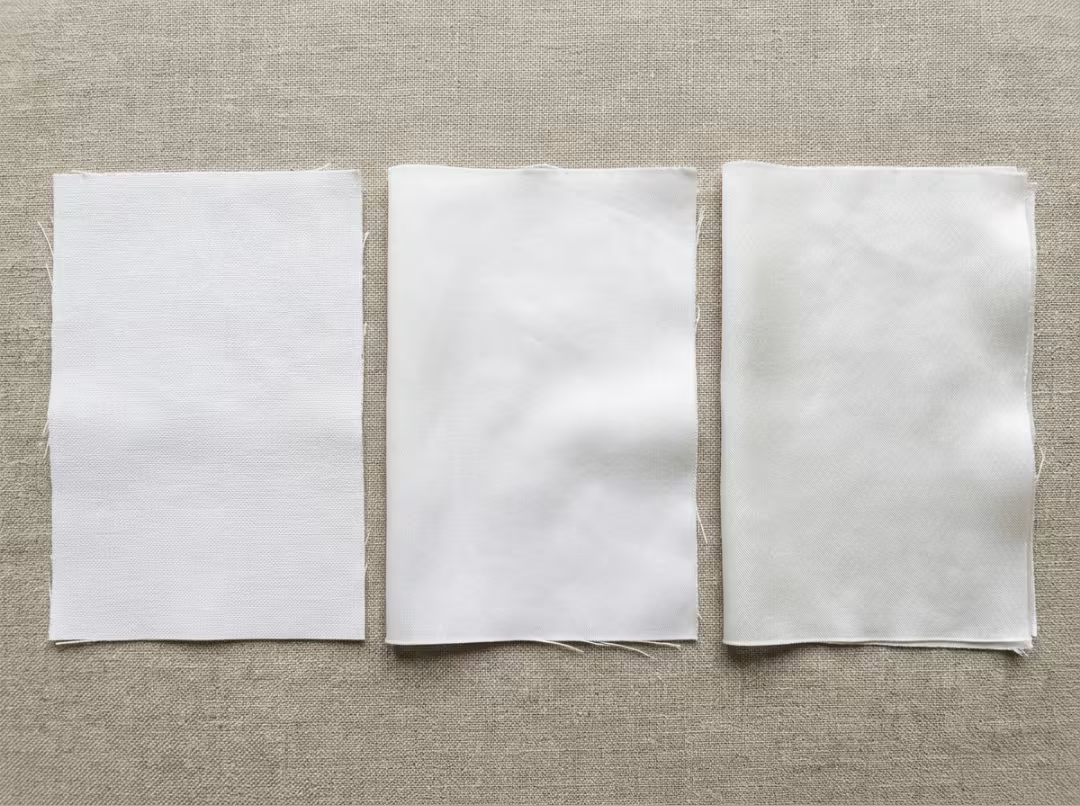
Match the fabric to your climate. A desert or tropical property should lean heavily on percale and lighter duvet fills. A mountain lodge can use sateen and warmer inserts without complaints. For mattresses, gel-infused foams and hybrid designs with coil airflow help pull heat away from the sleeper.
Firmness and Support
Firmness is subjective. It shifts with age, weight, health, and sleep position, so no single mattress pleases everyone. That said, guest feedback has trended clearly toward medium to medium-firm as the safest default, even in luxury properties.
The reason is simple. Medium-firm supports back and side sleepers, eases pressure without feeling hard, and reads as “supportive but plush” to the widest range of guests. A too-soft plush bed feels indulgent for one night but leaves many guests with a sore back by morning. Aim for that middle zone: firm enough to support the spine, soft enough on top to feel welcoming.
Allergies and Cleanliness Signals
More guests than ever self-report allergies and sensitivities, and cleanliness became a hard expectation after the pandemic. Bedding is where this anxiety concentrates.
Practical moves that work:
- Use hypoallergenic pillow and duvet fills, or offer them on request.
- Add zippered mattress and pillow encasements. They block dust mites and protect your investment from stains.
- Choose washable inserts that survive frequent high-heat laundering.
Cleanliness is also about signals. Crisp white linens read as clean because guests can see nothing is hidden. A light, fresh scent and tightly made corners reinforce the impression. One caution: avoid over-marketing “antimicrobial” treatments. The claims are often unsupported, and savvy guests distrust them. Visible, honest cleanliness beats a marketing sticker every time.
The Buying Breakdown: Mattress to Duvet
Now to the purchasing decisions. This is where budgets get won or lost.
Mattresses
The mattress is your biggest single bedding cost and your biggest comfort lever. Four core types cover the market:
- Innerspring: Coil support with a thin comfort layer. Affordable and breathable, but wears faster and transfers motion. Fine for economy tiers.
- Hybrid: Coils plus foam or latex comfort layers. This is the hospitality workhorse. It balances support, cooling, durability, and comfort, which is why most mid- to upscale properties default to it.
- Full foam: Memory foam or poly-foam throughout. Excellent pressure relief and motion isolation, but can sleep hot unless gel-infused.
- Latex or natural: Durable, responsive, naturally cooler, and often more sustainable. Higher upfront cost, longer lifespan.
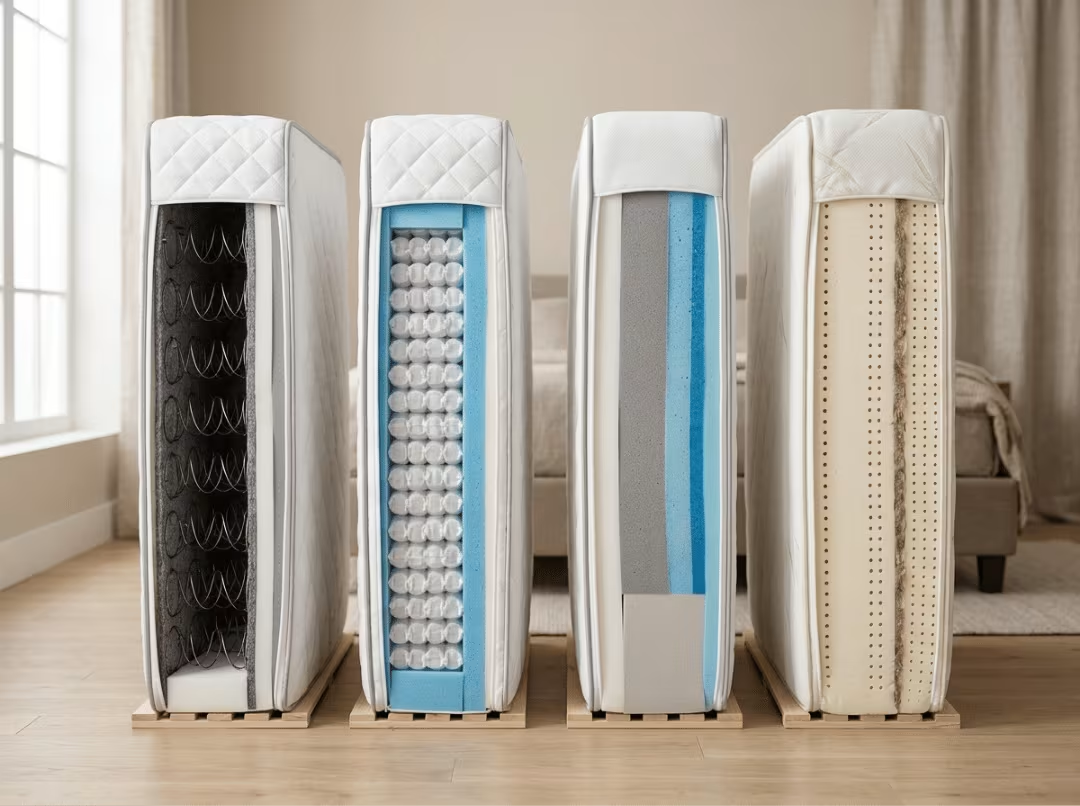
Choose firmness by room tier. Standard rooms do well with a consistent medium-firm hybrid. Suites can justify a slightly plusher top layer or an upgraded model to match the higher rate. Whatever you buy, put it on a supportive base. A great mattress on a sagging box or weak frame sleeps poorly and dies early. Mattresses are a defining part of your hotel FF&E, so evaluate them based on total lifespan and warranty, not just the sticker price. Look for commercial-grade warranties and test units before committing to a full order.
Pillows
Pillows are cheap relative to mattresses but generate outsized reactions. The wrong pillow ruins an otherwise perfect bed.
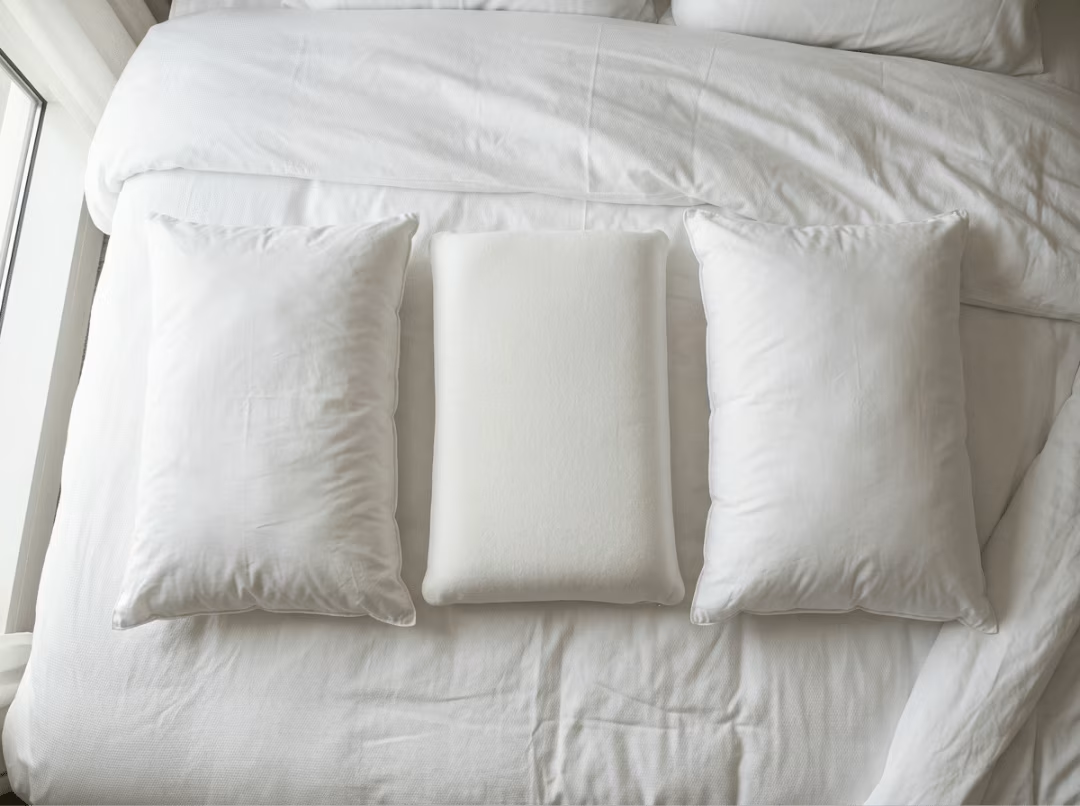
Common fills and how they behave:
- Down: Soft, luxurious, moldable. Premium feel, higher cost, needs allergy alternatives on hand.
- Down alternative (synthetic microfiber): Mimics down at lower cost, washable, hypoallergenic. The practical default for most rooms.
- Memory foam: Firm, supportive contouring. Great for guests who want neck support, though it can sleep warm.
- Specialty (buckwheat, latex, kapok): Niche options for boutique and wellness properties chasing a distinct feel.
The smartest move is a pillow menu. Stock at least two pillow types per bed, typically a soft down alternative and a firmer supportive option, and let guests choose or request more at the front desk. It costs little, signals care, and solves the “too soft or too firm” complaint before it happens. Match pillow size to bed size too: king beds need king pillows to look and feel right.
Sheets and Duvets
Thread count is the most oversold number in bedding. Manufacturers inflate it by twisting multiple thin plies together, so a “1,000 count” sheet often feels worse than an honest 300. Ignore the headline number and judge sheets on three things that actually matter:
- Fiber quality: Long-staple cotton (Egyptian, Supima, Pima) is smoother, stronger, and softens with washing. Short-staple cotton pills and wears out.
- Weave: Percale for cool and crisp, sateen for smooth and warm. Choose by climate, as covered above.
- Construction: Single-ply beats multi-ply for breathability and honest durability.
For duvets, match the insert weight to your climate and offer flexibility where you can. Light and medium fills suit warm regions, while all-season or warm inserts fit cooler ones. On color, white remains the hospitality standard for good reason: it looks clean, mixes across every room, and can be bleached and rebranded easily. Boutique properties can add personality with a colored trim, a textured throw, or a runner, without giving up the clean white base.
Matching Bedding to Your Hotel Segment
Not every property needs the same bed. Spend where your guests and rate structure justify it.
Economy and midscale. Budgets are tight, but guests still care about comfort. Buy a durable medium-firm innerspring or an entry-level hybrid, pair it with washable down-alternative pillows, and choose sturdy percale linens built to withstand heavy laundering. Prioritize durability and easy cleaning over luxury feel.
Upper midscale to upscale. This is where bedding builds brand identity. Move to quality hybrids, better long-staple cotton linens, and a two-option pillow menu. Consistency across rooms matters here, since guests expect the same experience every stay. Durable, well-chosen bedding also sits high on the list of essential hotel supply items every property needs, so treat it as core inventory, not a one-off purchase.
Luxury and boutique. Guests pay for a distinctive sleep experience. Invest in premium hybrids or latex, specialty linens, real down or high-end alternatives, and thoughtful layering. Some properties add adjustable bases or even sell their bedding to guests who want it at home.
Spa and wellness. Lean into organic and natural materials, hypoallergenic fills, and formats that emphasize total cleanliness. Guests at these properties scrutinize materials and sustainability closely, so certifications and honest sourcing carry real weight.

Care, Longevity, and Cost Per Use
The cheapest sheet is rarely the best value. What matters is cost per use: how many wash-and-sleep cycles you get before you replace it.
A durable long-staple cotton sheet might cost more upfront but will survive hundreds of industrial washes, while a bargain sheet will fray and grey within months. Divide the price by the expected uses, and the “expensive” option often wins.
A few practices extend bedding life significantly:
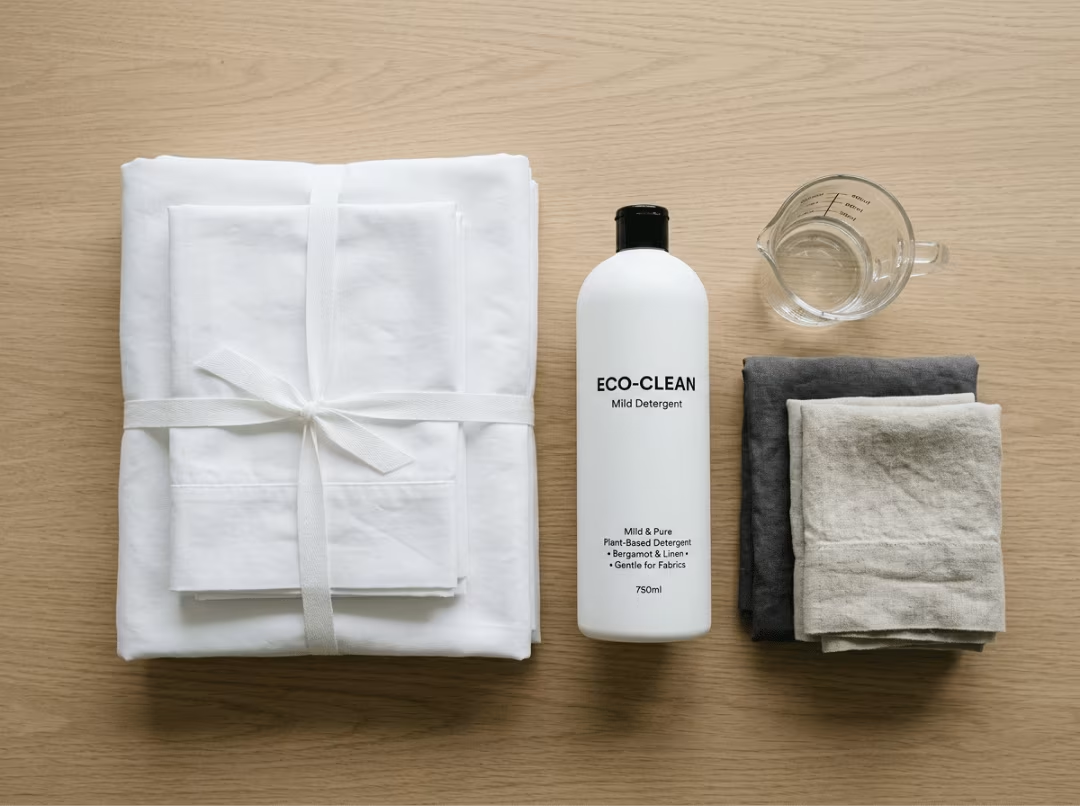
- Rotate multiple linen sets per bed so no single set takes all the wear. Most properties run around three sets per bed.
- Wash in warm rather than boiling water where hygiene allows, and skip bleach and fabric softeners that break down fibers over time.
- Dry on moderate heat, not maximum, to prevent shrinkage and weakening.
- Track soil, shrinkage, and loss rates by room so you know which rooms need earlier replacement and can budget accordingly.
For planning, mattresses in commercial use typically last five to eight years before comfort and support decline enough to hurt reviews. Build that cycle into your capital budget so replacements are planned, not emergencies.
Frequently Asked Questions
What is the ideal thread count for hotel sheets?
There isn’t a magic number. Aim for 300 to 500 with genuine long-staple, single-ply cotton. Beyond that, higher counts usually signal marketing inflation, not better sheets. Fiber quality and weave matter far more than the number on the package.
What firmness do hotels usually use for mattresses?
Medium to medium-firm is the safe default across nearly every tier. It supports the widest range of body types and sleep positions while still feeling plush enough to satisfy guests who expect softness.
How often should hotels replace mattresses?
Plan for every 5 to 8 years of commercial use. Watch for sagging, guest complaints, and declining review scores as your real signals. A worn mattress quietly erodes ratings long before it looks obviously bad.
What is the best bedding material for hot sleepers?
Cotton percale is the strongest all-around choice. It breathes well and feels cool and crisp. Bamboo viscose is a good, softer alternative, and pairing either with a gel-infused or hybrid mattress and a lighter duvet fill keeps guests cool.
How do hotels keep white sheets bright?
They use quality long-staple cotton, wash promptly before stains set in, avoid chlorine bleach, which yellows fabric over time, and rely on proper detergents and consistent laundering routines. Rotating multiple sets also prevents any one set from greying faster than the rest.
Can the same bedding work for a budget and a luxury hotel?
No, and it shouldn’t. Both tiers need comfort and cleanliness, but the materials, mattress grade, and layering should scale with your rate. Match the investment to what guests are paying for.
Where to Start
Bedding is the stage, but guests remember how they slept. Get the sleep right, and the reviews, rebookings, and rate power follow.
If you’re deciding where to begin, start with temperature regulation and support. Choose breathable percale linens matched to your climate, put guests on a medium-firm hybrid mattress, and offer a simple two-option pillow menu. Those three moves solve the vast majority of comfort complaints.
Then layer in style, sustainability, and segment-specific upgrades as your budget allows. Buy for durability and cost per use rather than the lowest sticker price, plan your replacement cycles in advance, and you’ll build beds that guests notice for all the right reasons.